
My Son Sanctuary Travel Guide for First-Timers
My Son Sanctuary is one of Vietnam’s most fascinating historical sites. Built by the Champa Kingdom 1,600 years ago, the site features ancient Hindu temples and towers set in a scenic mountain valley. Today, the ruins offer a glimpse into the architecture, culture, and spiritual life of a civilization long ago.

What is My Son Sanctuary
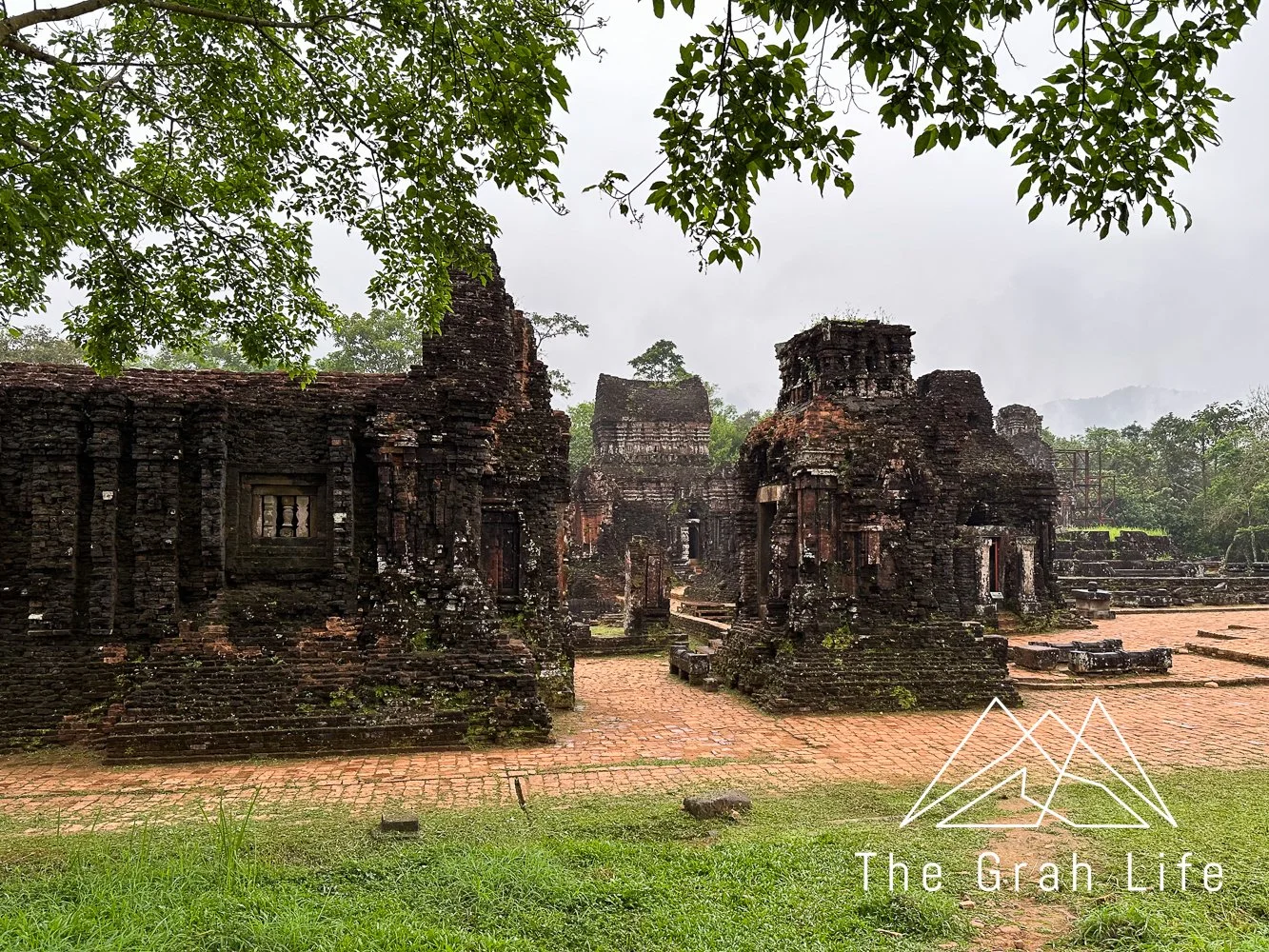
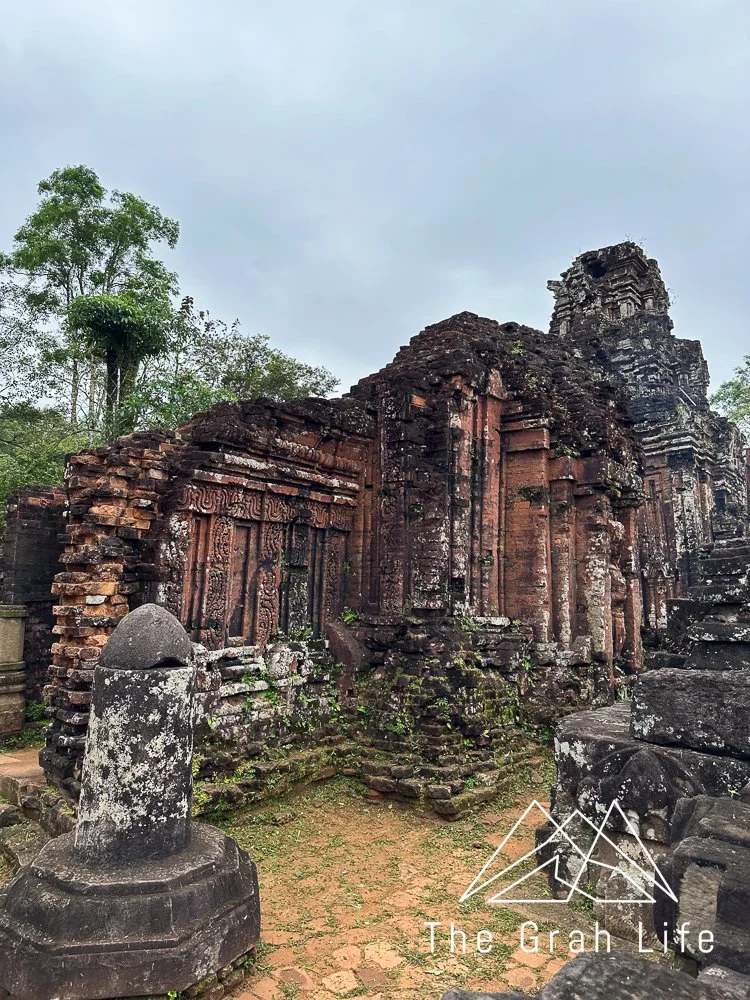
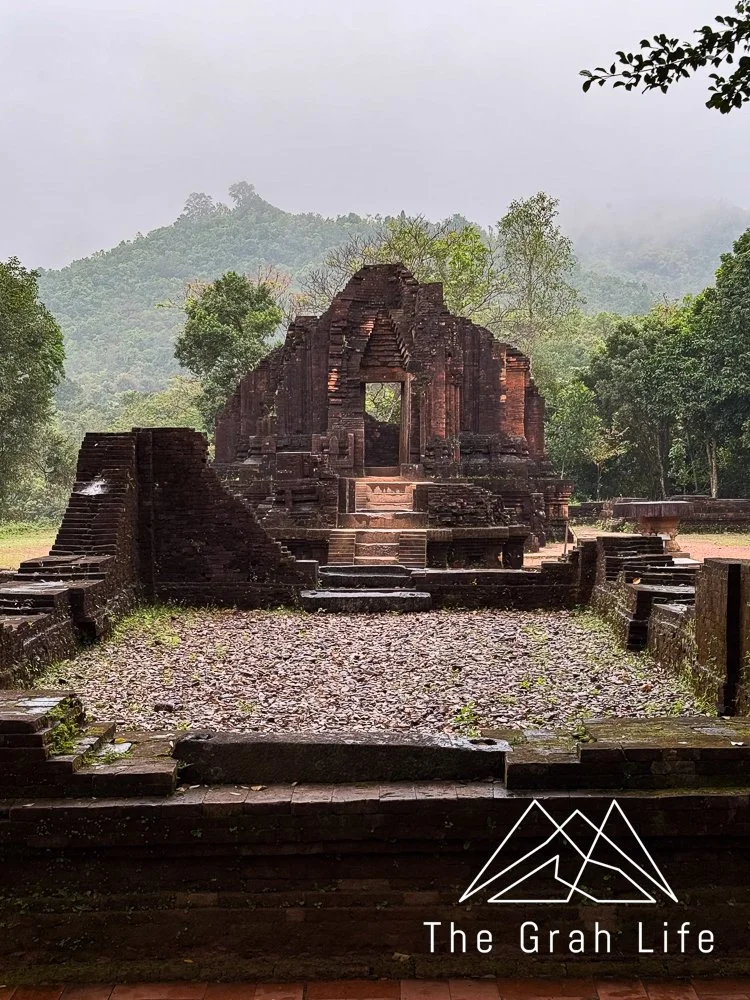
My Son Sanctuary was built between the 4th and 13th centuries and served as a religious and political center for the Champa Kingdom. The Champa people constructed towers, temples, and statues dedicated to Hindu deities, earning the site the nickname “Angkor Wat of Vietnam.”
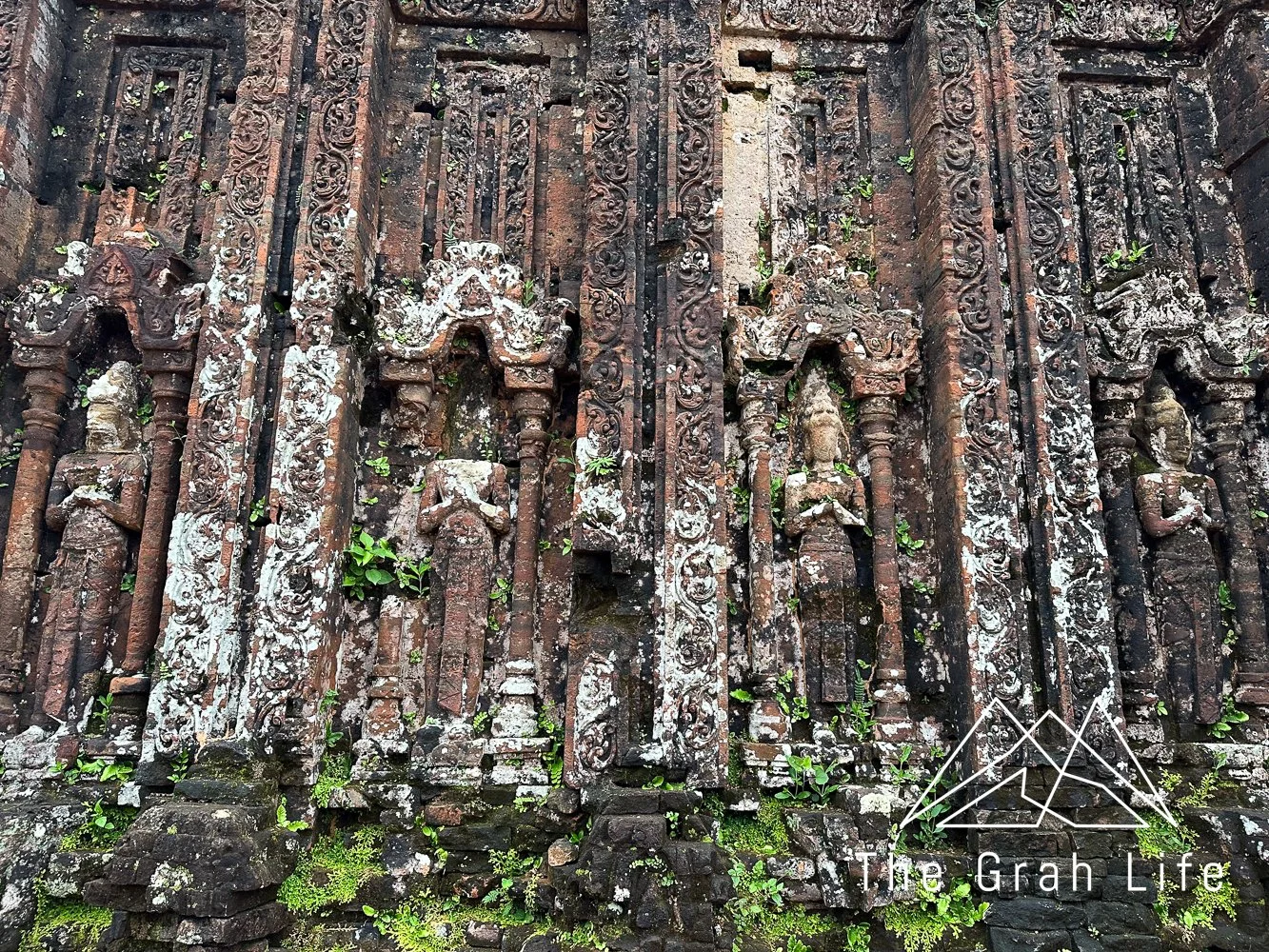
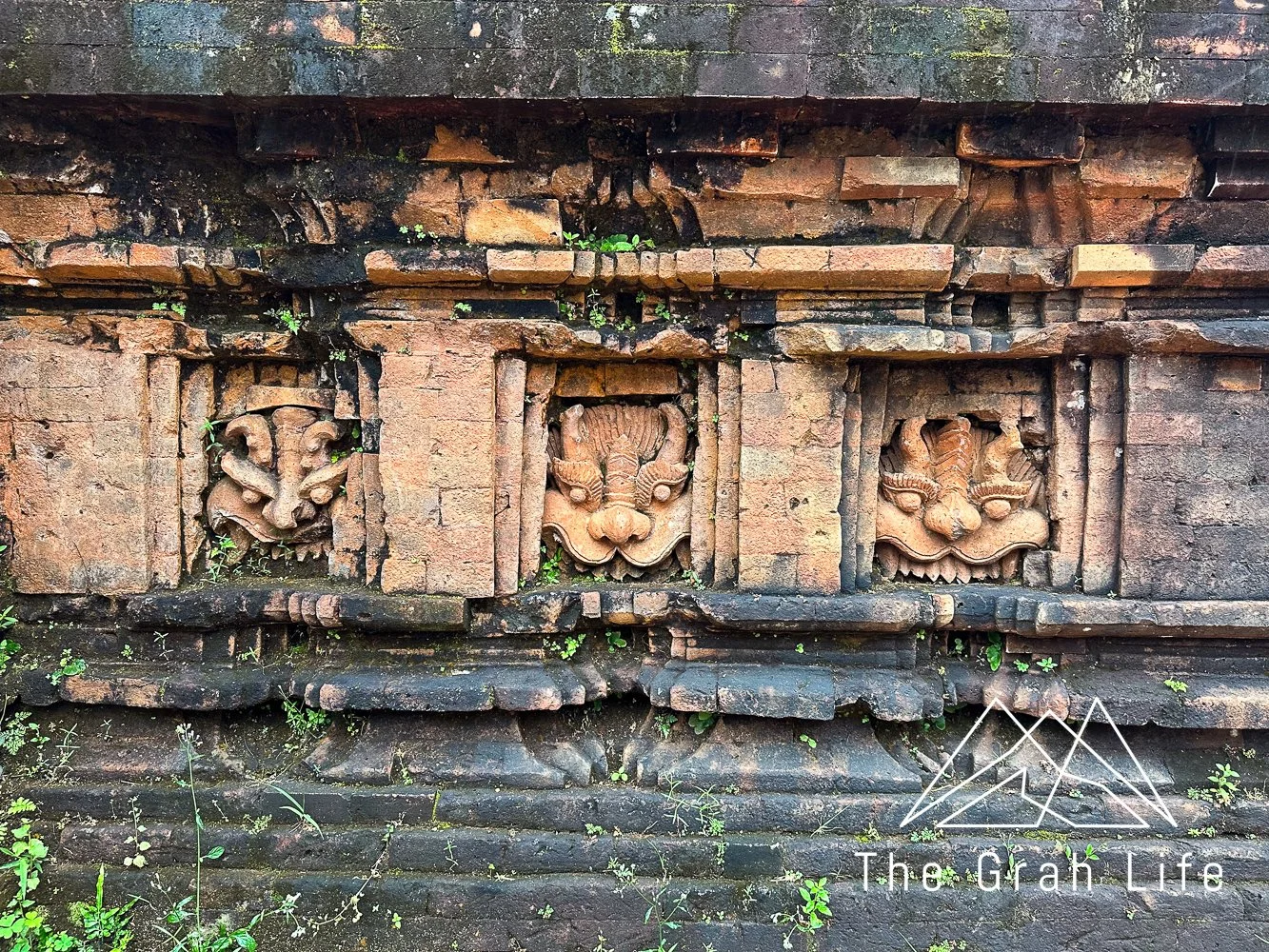
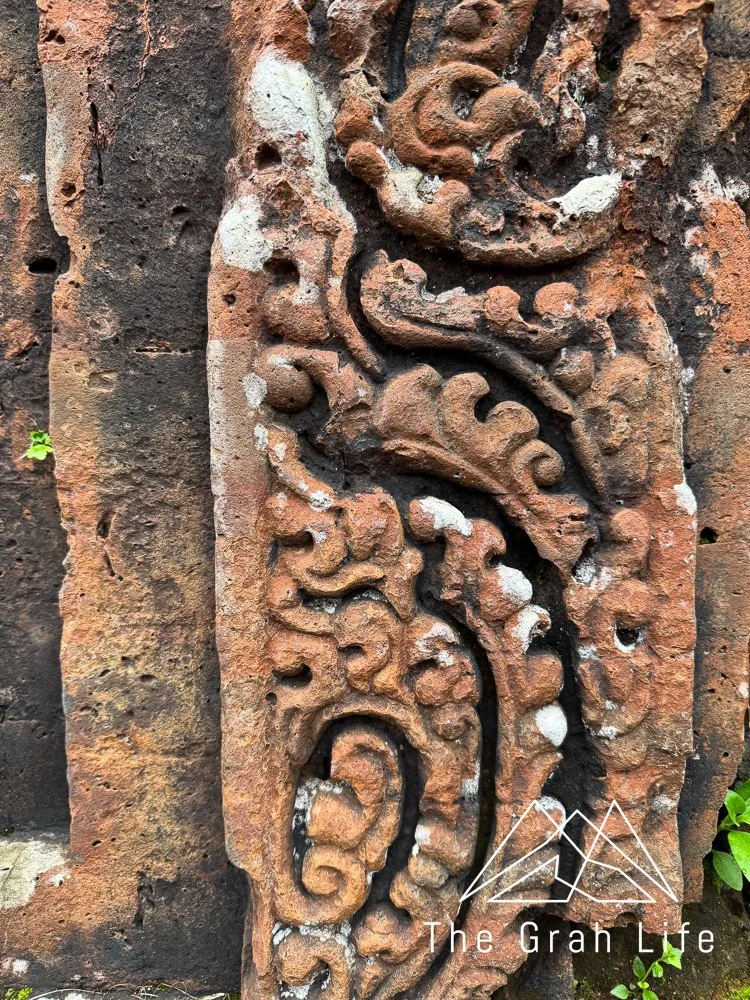
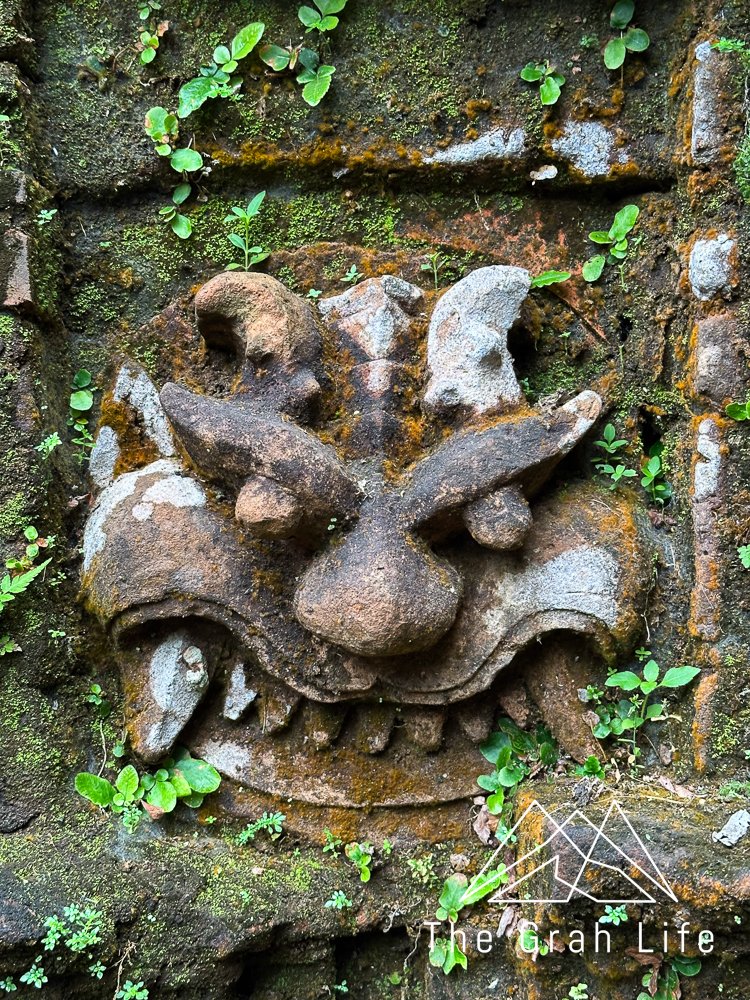
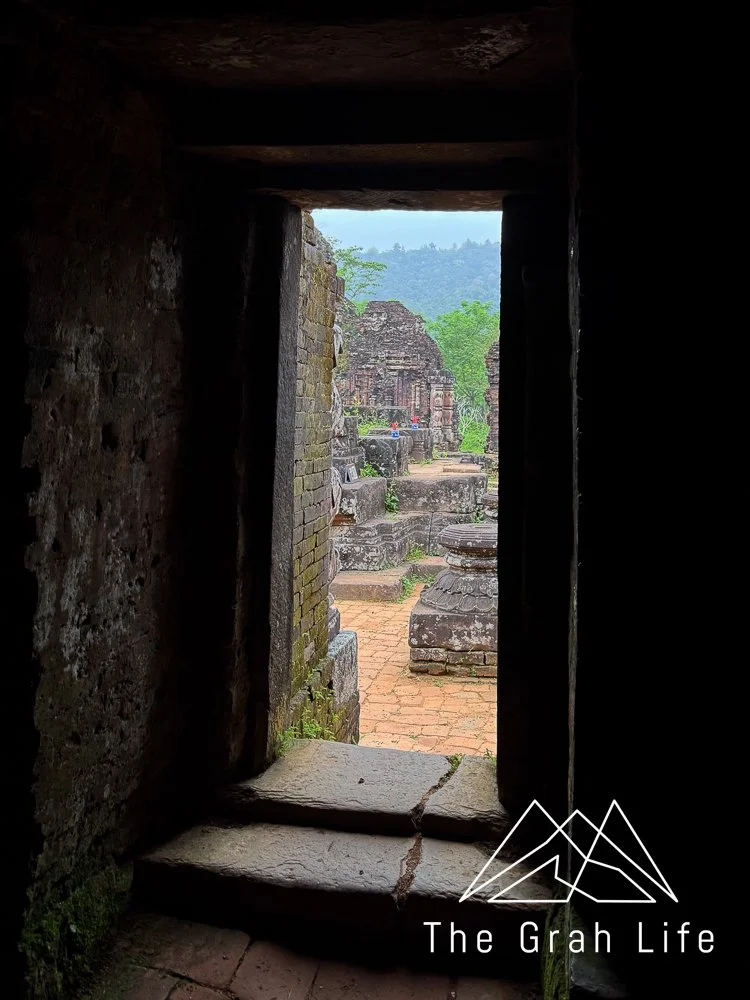
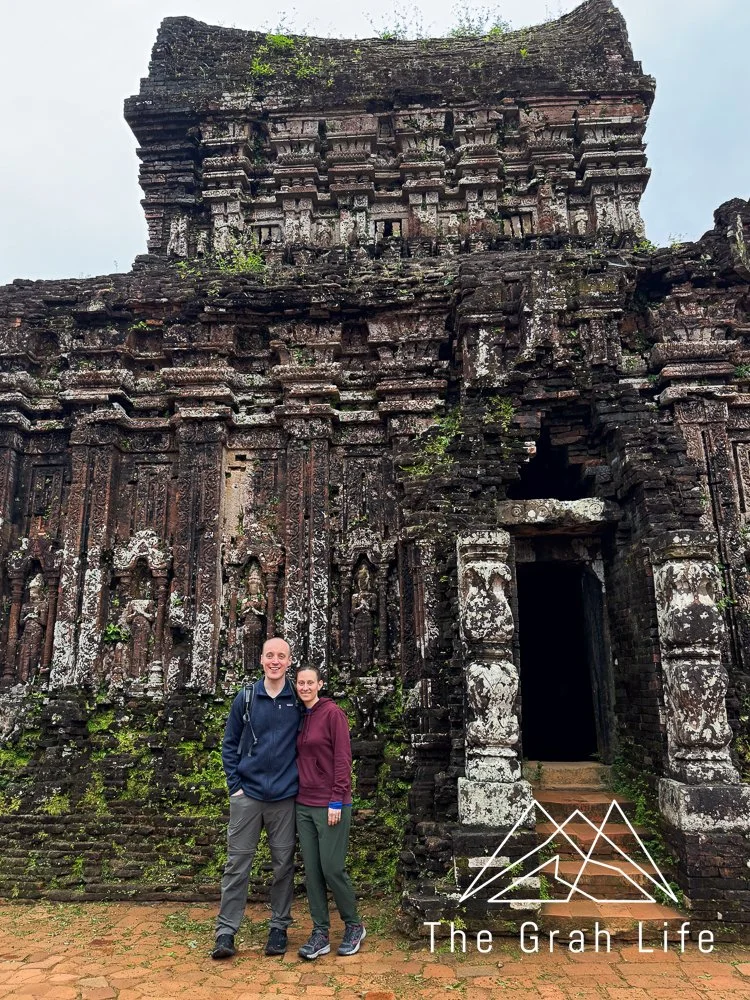
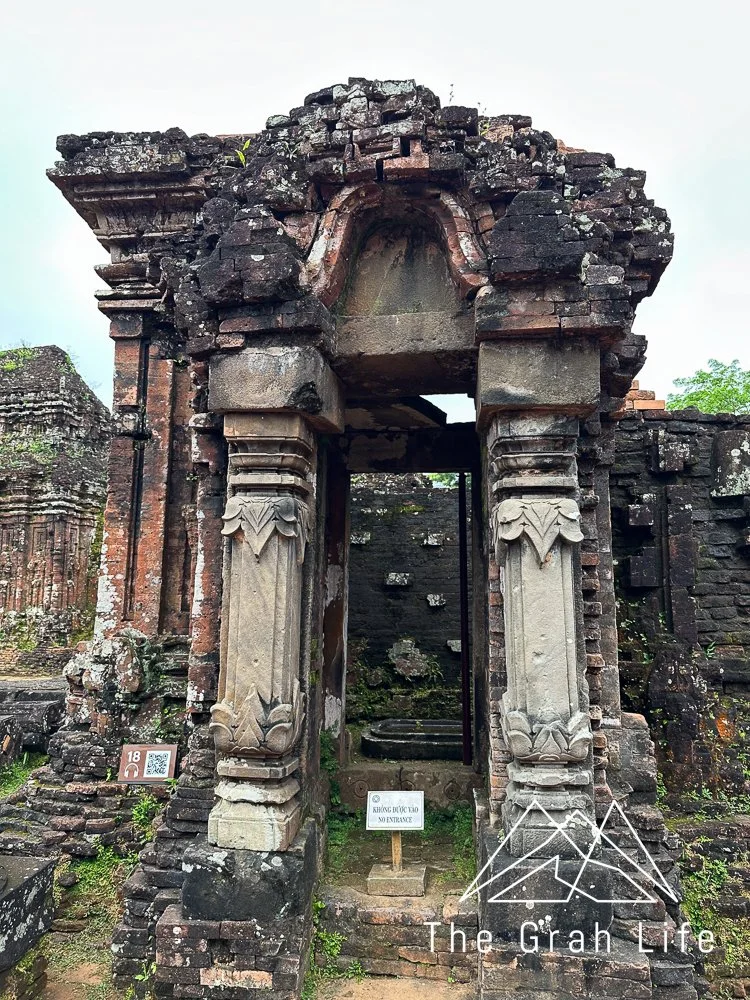
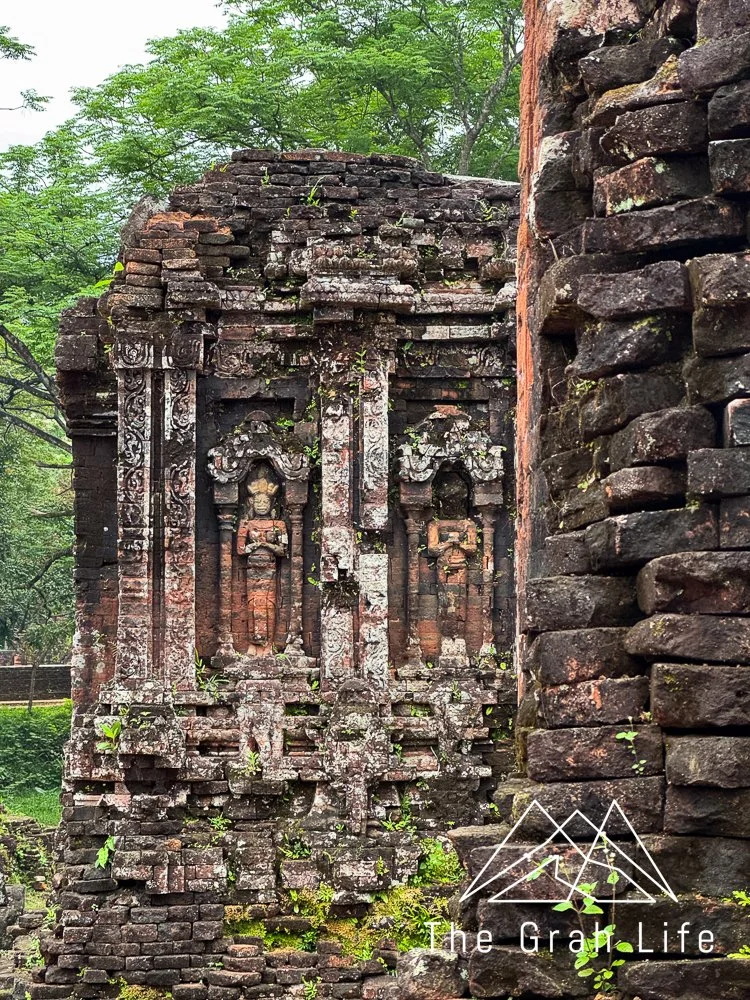
The architecture is notable for its intricate brickwork and carvings, and we particularly enjoyed viewing the figures meant to ward off evil spirits. The bricks were stacked without mortar, using building techniques that are still not fully understood or replicable today.
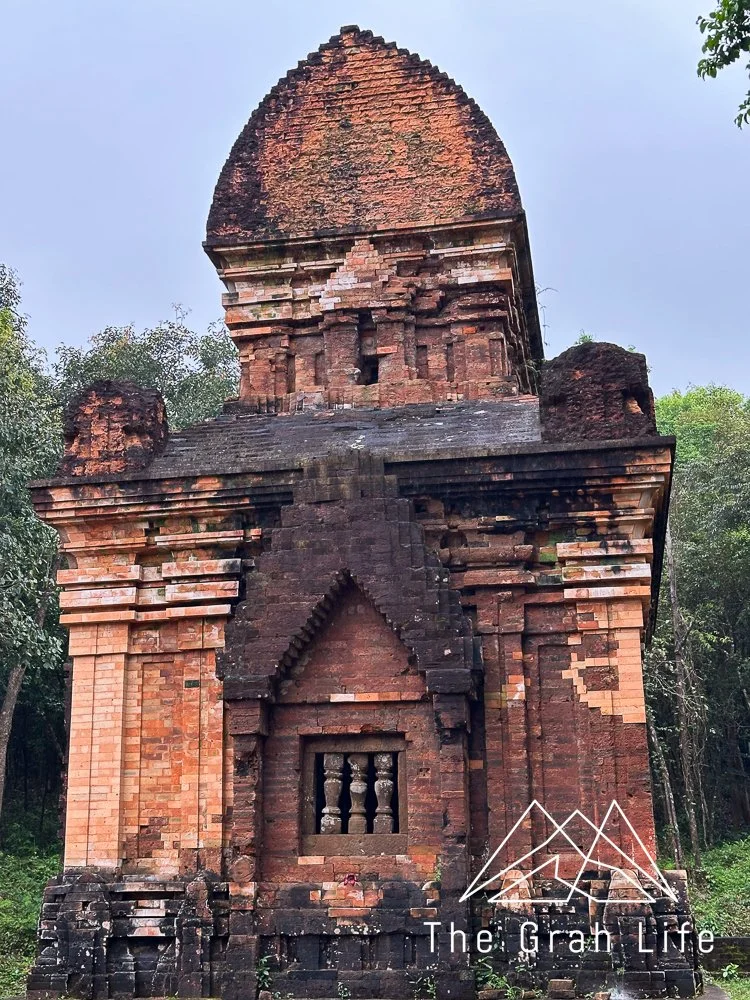
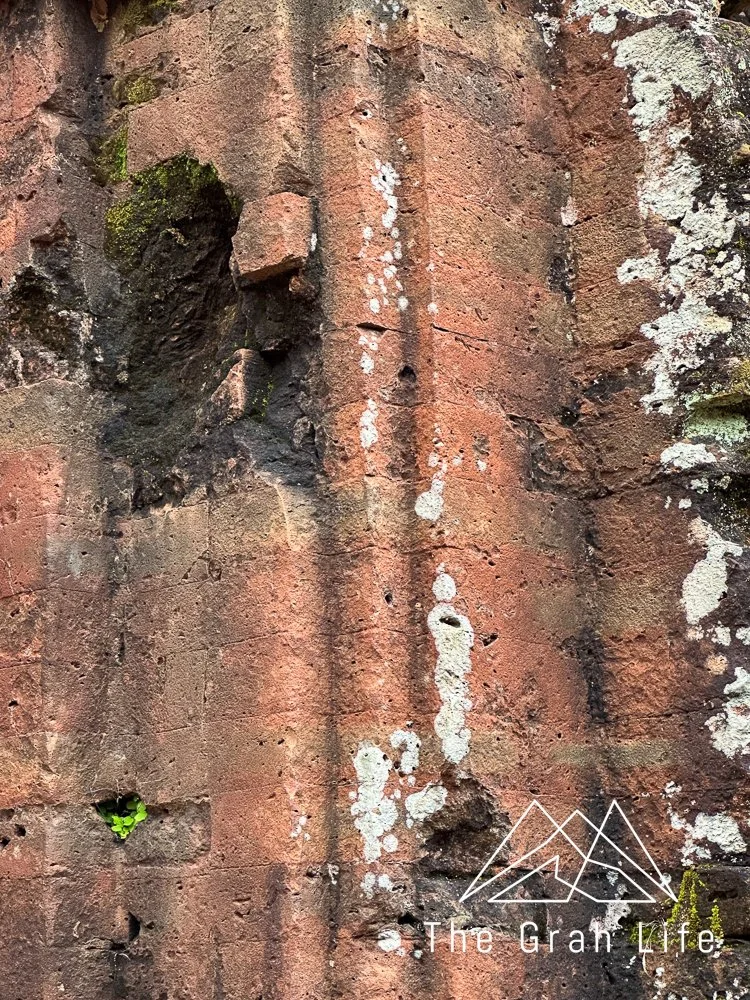
Restoration and conservation efforts began in the early 20th century, but many temples were heavily damaged during wars, particularly the Vietnam War, leaving bullet holes throughout the temples and scars of carpet bombing.
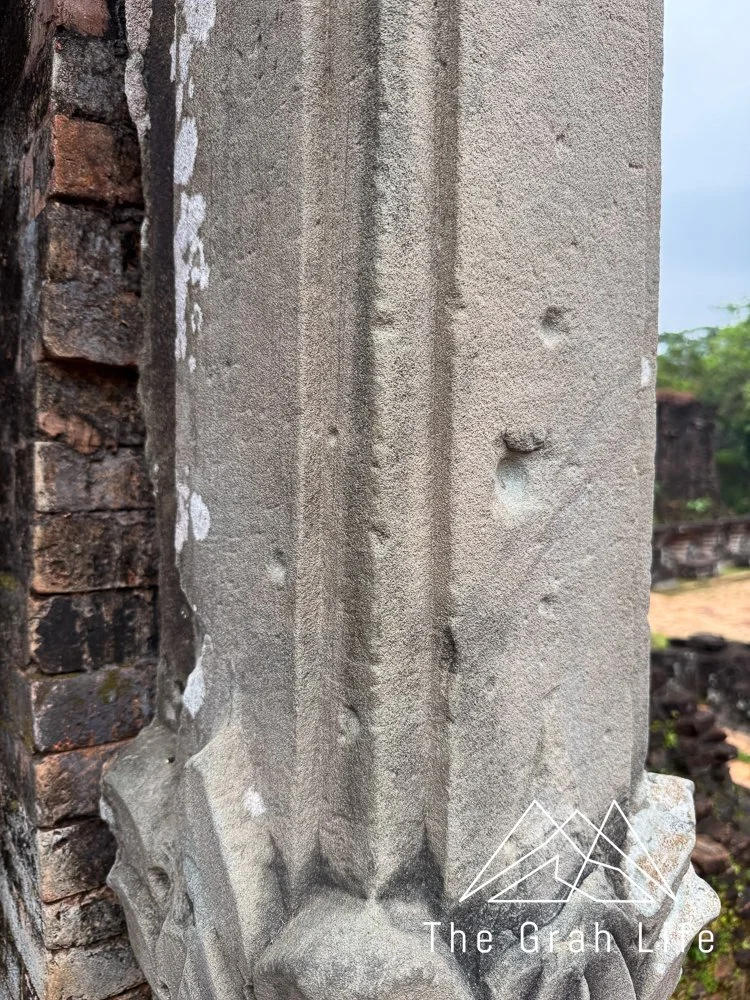
Bullet holes from the American War
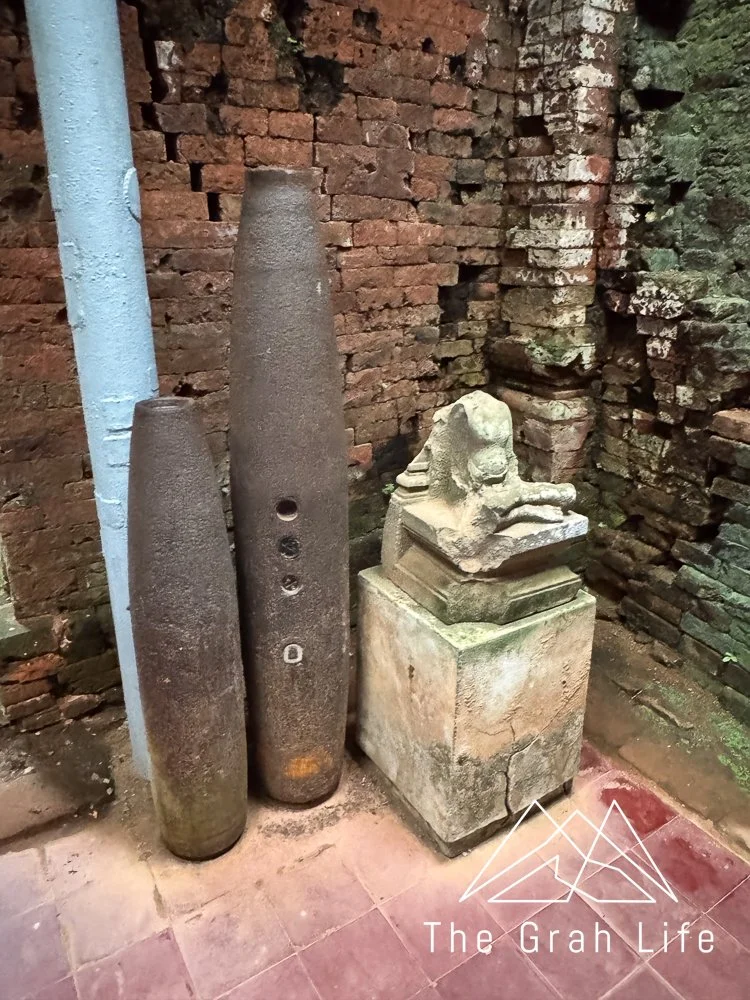
Bombs from the American War
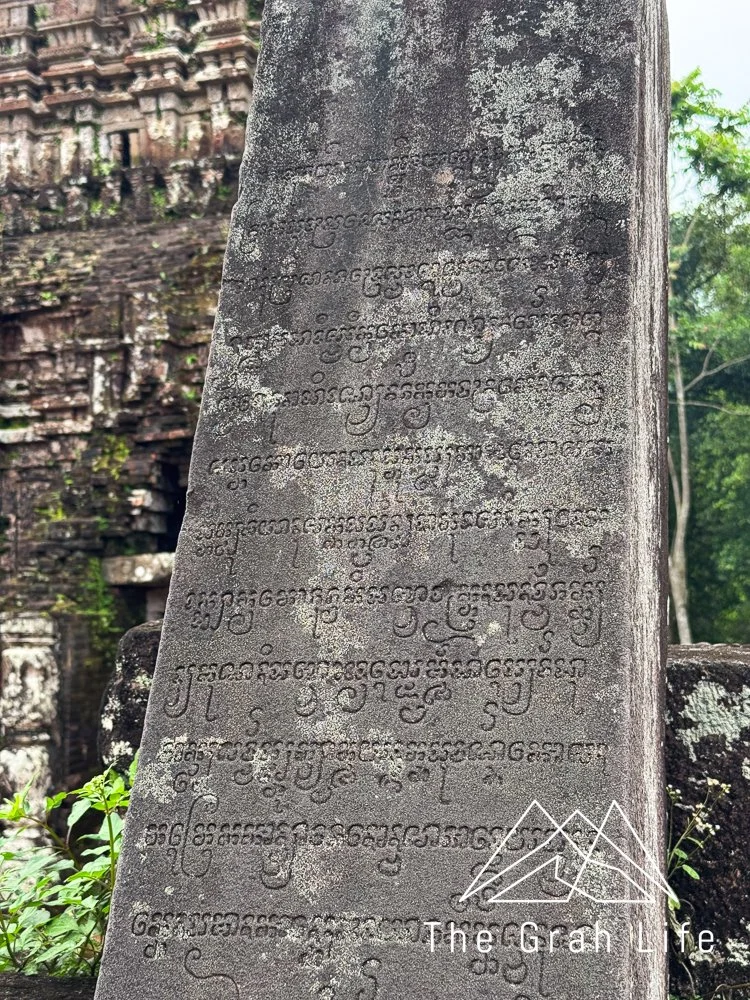
Today, My Son Sanctuary is a UNESCO World Heritage Site, preserving the ruins of a dead language and culture and offering a window into the artistry and spiritual life of the Champa civilization.
Where is My Son Sanctuary
My Son Sanctuary is located in the Duy Xuyen District of Quang Nam Province, about 45 km southwest of Hoi An and 145 km from Hue in central Vietnam. To get there, you can take a Grab ride, but tours that provide round-trip transportation are usually a better bargain.
When to visit
My Son Sanctuary is open daily from 6 a.m. to 5 p.m., but the best time to visit is upon opening, early in the morning. You’ll have cooler temperatures and no crowds. By the time we left the area at 9 a.m. there were already long lines to enter.
Tickets and tours
Tickets are 150 VND and can be purchased online, in person, or via private tour.
We booked a guided tour to My Son Sanctuary from Hoi An through Airbnb with Thao and highly recommend it. He spoke excellent English and shared a deep knowledge about the Champa people and temples, which made the trip much more impactful than it would have been on our own.
The tour was small, with no more than ten people, and we booked just two days in advance. Pickup and drop-off from our lodging in Hoi An were included, and the price was about the same as a one-way Grab ride to the sanctuary.
What to do there
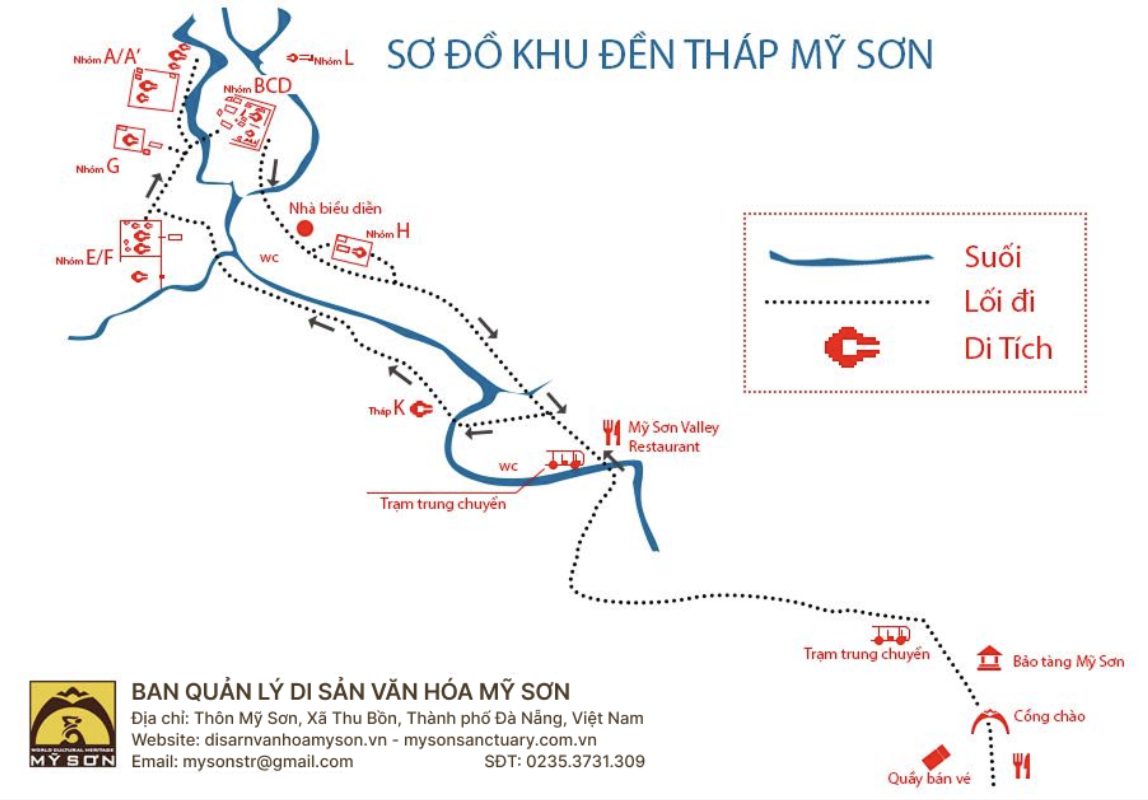
When you visit, you’ll have access to several temple areas, labeled as Groups A through I on the map below. The largest clusters of temples open to the public are near each other, though not every Group is accessible.
Expect to do a fair amount of walking throughout the different sites. You can enter temples that are structurally sound and view shrines, statues, and intricate carvings.
Is it worth visiting?
We thought so! If you love history, architecture, or ruins, you’ll enjoy My Son Sanctuary. However, visiting with a knowledgeable guide did make our trip there more impactful.
What to bring with you
Bring comfortable walking shoes, a jacket for chilly mornings, and sun protection – the area is completely exposed. There is a small restaurant onsite, so bringing snacks and water isn’t necessary, but still they were nice to have.
What to do next
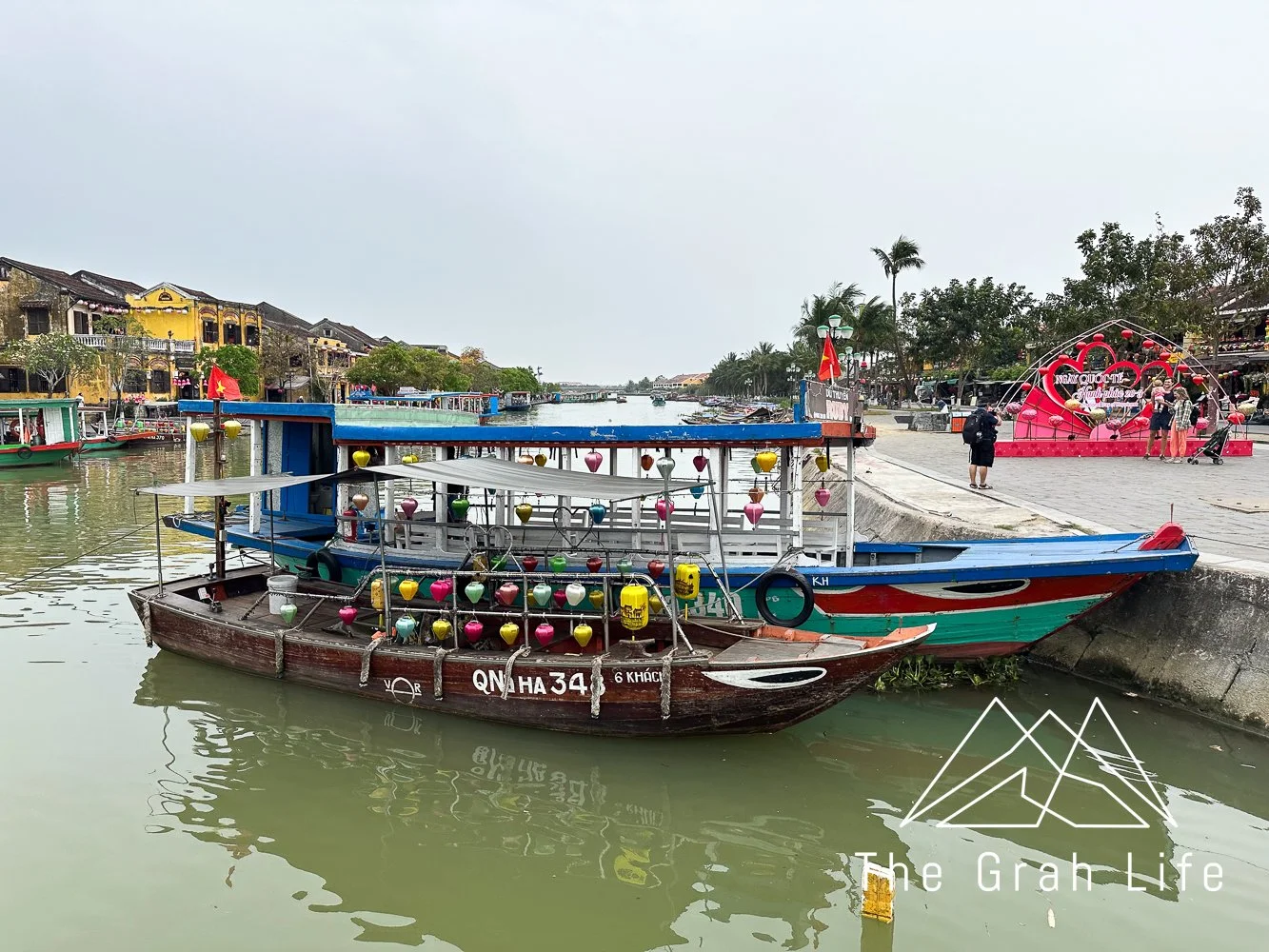
We’d highly recommend checking out other activities in and near Hoi An here. You’ll find plenty to do in the area, including food tours, relaxing on beaches, taking a spin in a coconut boat, or visiting Marble Mountain.




Search the blog for more adventures! Try searching for topics such as “hiking”, “waterfalls”, or “Oregon”.