
Vietnam Food Tips: Dishes, Allergies, and Safety
Eating in Vietnam was a highlight of our trip and something we still talk about far too often. The food is fresh, flavorful, and changes from region to region. Of course, you’ll need to try bánh mì and pho, but there are so many other dishes worth exploring!
This guide will help you choose street food, navigate allergies, menus, and ends with a list of must-try dishes.
If you’re eager or a little nervous about trying Vietnamese food, visit a Vietnamese restaurant at home before your trip. Many in the United States have “pho” in the name but often have much more on the menu.
Know what information you’re looking for? Click below to skip to a section:
Dishes
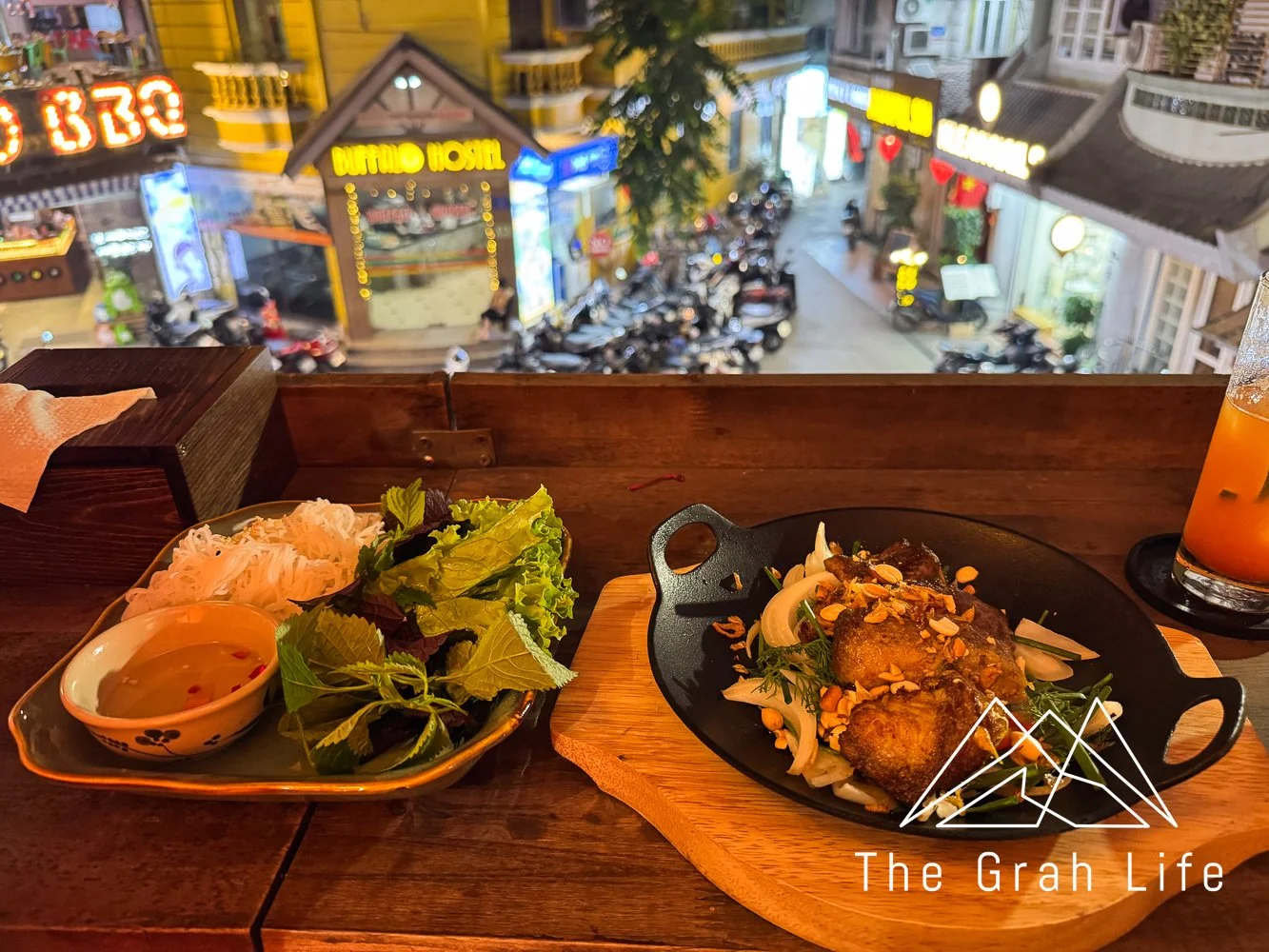
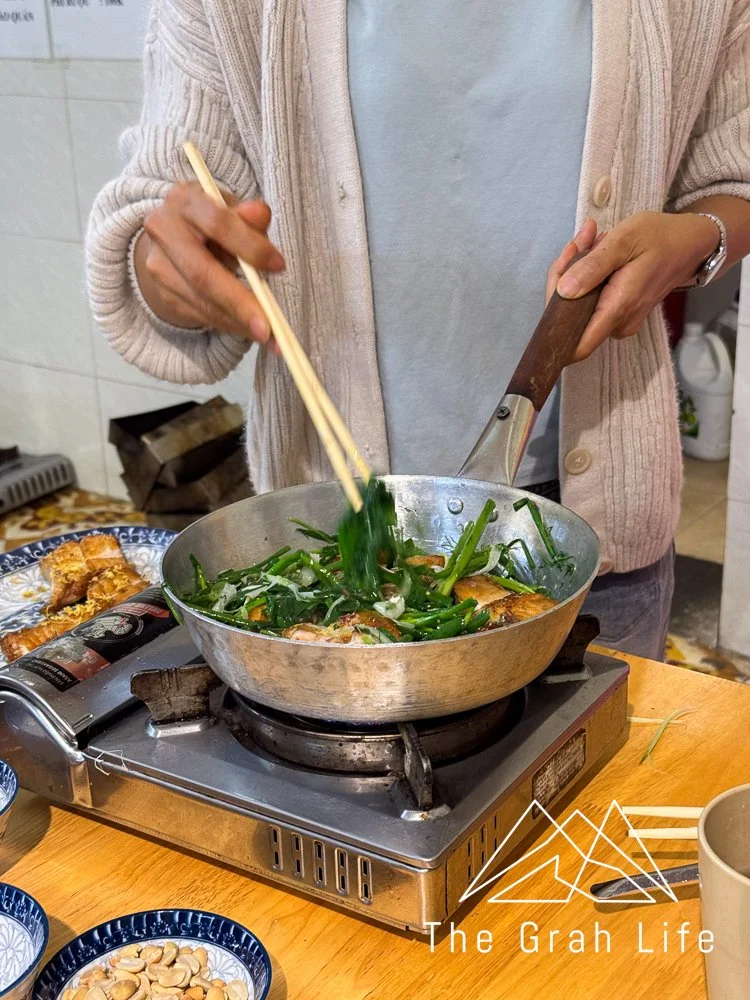
Chả cá
Water
Tap water in Vietnam isn’t generally safe to drink, so stick to bottled or filtered water. Bottled water is widely available and is inexpensive, but filtering your water or using a reusable bottle with a built-in filter can save money and reduce plastic waste. Check out this blog for filter recommendations.
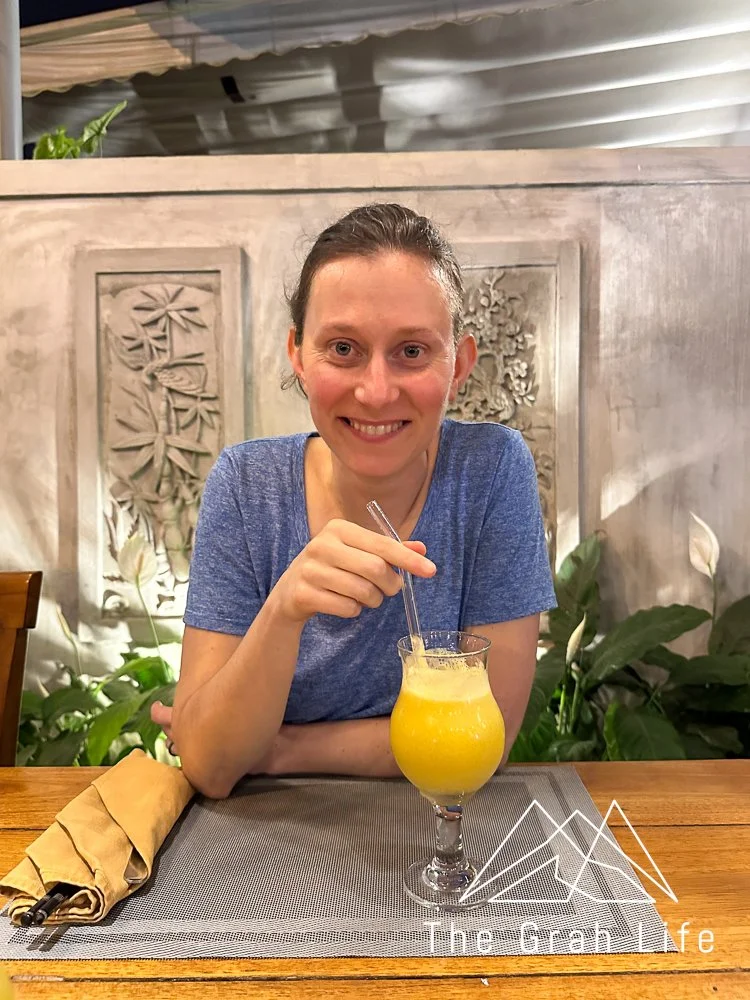
Some restaurants use filtered ice, often shaped like hollow cylinders. If you’re unsure whether the ice is treated, it’s safest to order drinks without it.
Street food safety
Street food in Vietnam is part of the culture and one of the best ways to experience the country. It’s fresh, flavorful, and often made right in front of you. Plus, it’s affordable and a great way to connect with locals. Below are a few key tips on how to choose where and what to eat.
Eat when and where others do
Food that sells quickly is usually fresh, so skip stalls where dishes have been sitting out for a long time.
We also learned not to rely on Google Maps for accurate business hours. Instead of planning meals in advance online, we found it best to simply walk around and look for places that were open and busy.

Cleanliness
Buy from vendors who keep their prep areas clean, cover food to protect it from flies, and use different gloves for handling money and cooking.
Watch your food being cooked
Many vendors cook in open kitchens or right on the street, so you can easily observe their setup before ordering. Look for places that use clean cooking oil and keep raw meat preparation separate from other foods.
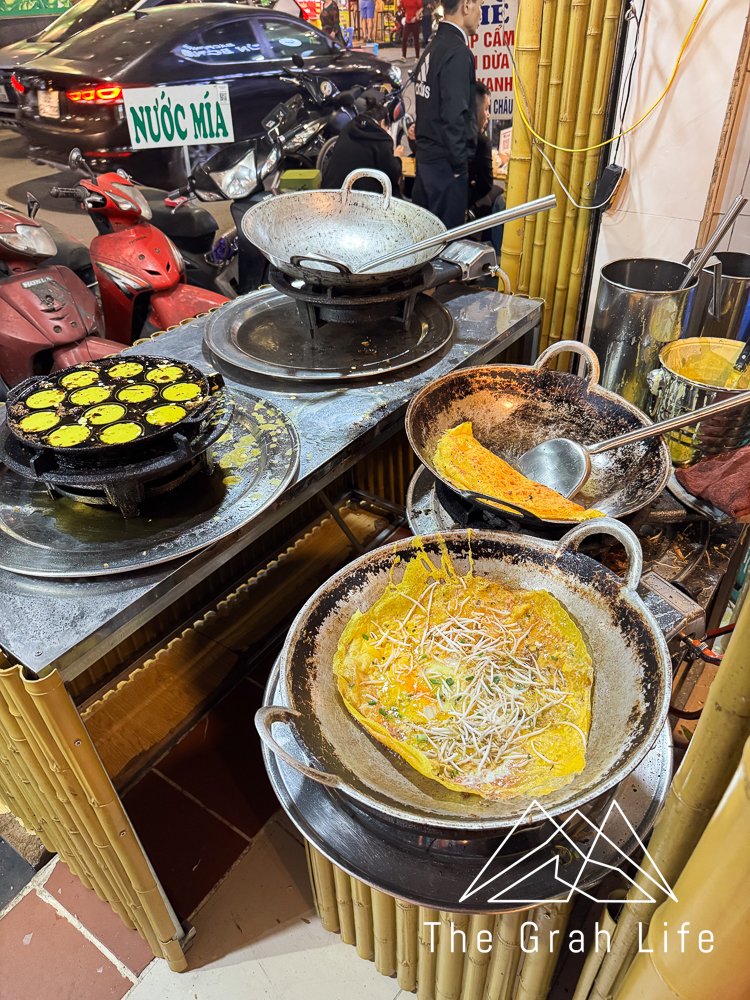
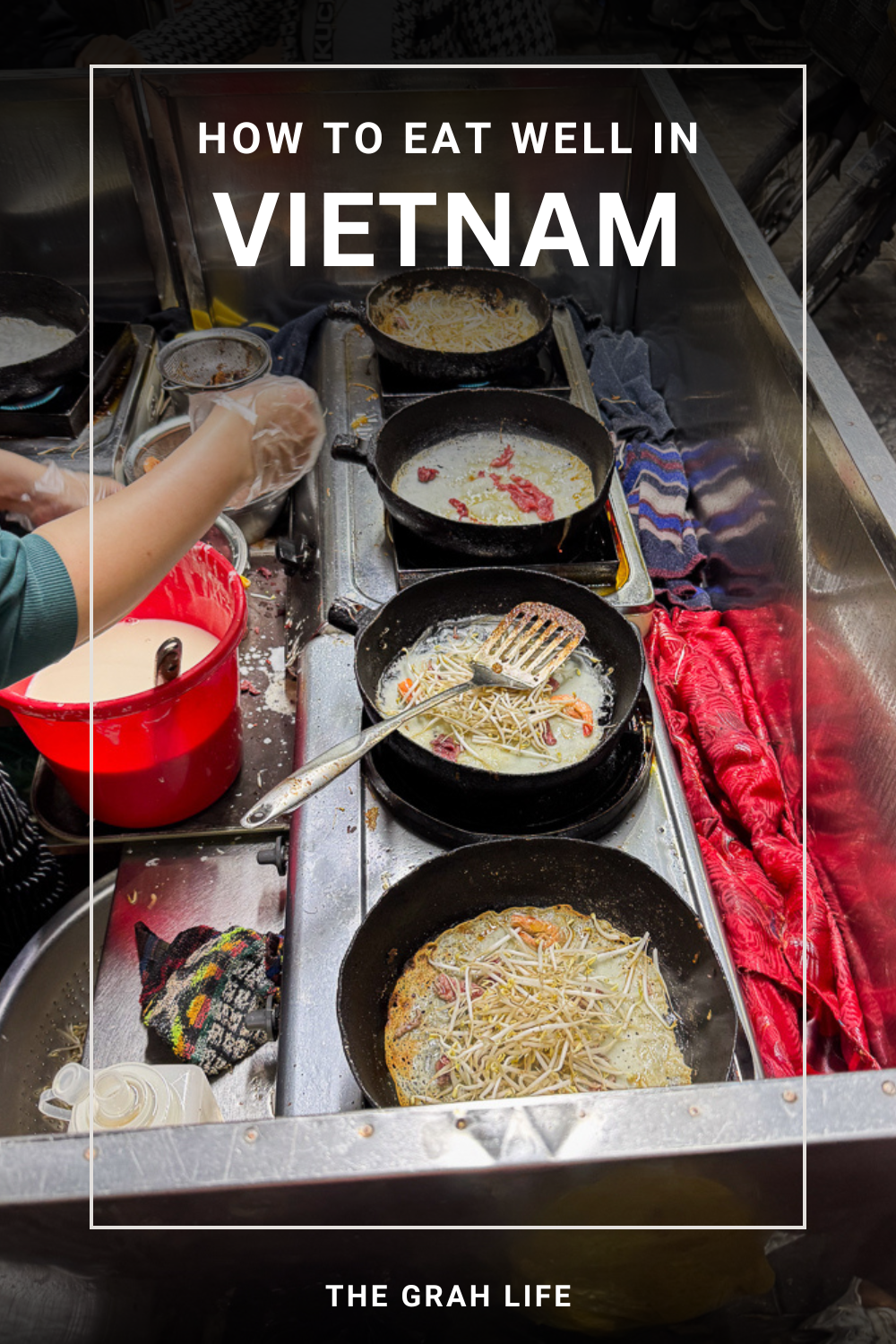
Dragon eggs cooking on the left, bành xéo on the right
Avoid eating fresh leafy greens
Eating fresh greens in Vietnam can be risky if they’re washed in untreated water, which may contain bacteria. Cooked vegetables are safer, but many popular dishes, like bánh xèo and fresh spring rolls, come with raw herbs and greens.
If you’re unsure about how the produce is washed, stick to dishes like fried spring rolls, where the vegetables are cooked. For dishes you assemble yourself, like bánh xèo, go light on the herbs and skip the leafy greens altogether.
Fruits and vegetables
Stick to fresh fruits and vegetables that you can peel. Produce washed in untreated water may be unsafe.
We especially loved mangosteens. Cut them in half and eat the white pods inside. As controversial as its flavor and smell is, durian should be on your must try list, too.
For advice on what medication to bring with you, check out this blog.
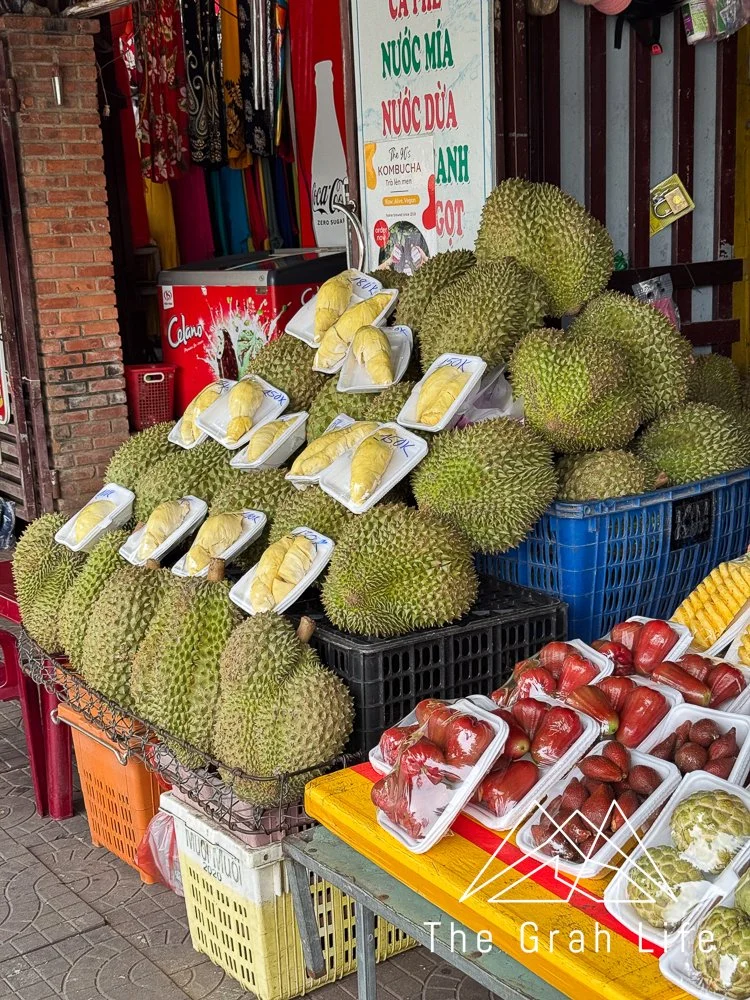
Durian

Mangosteens
Food tour
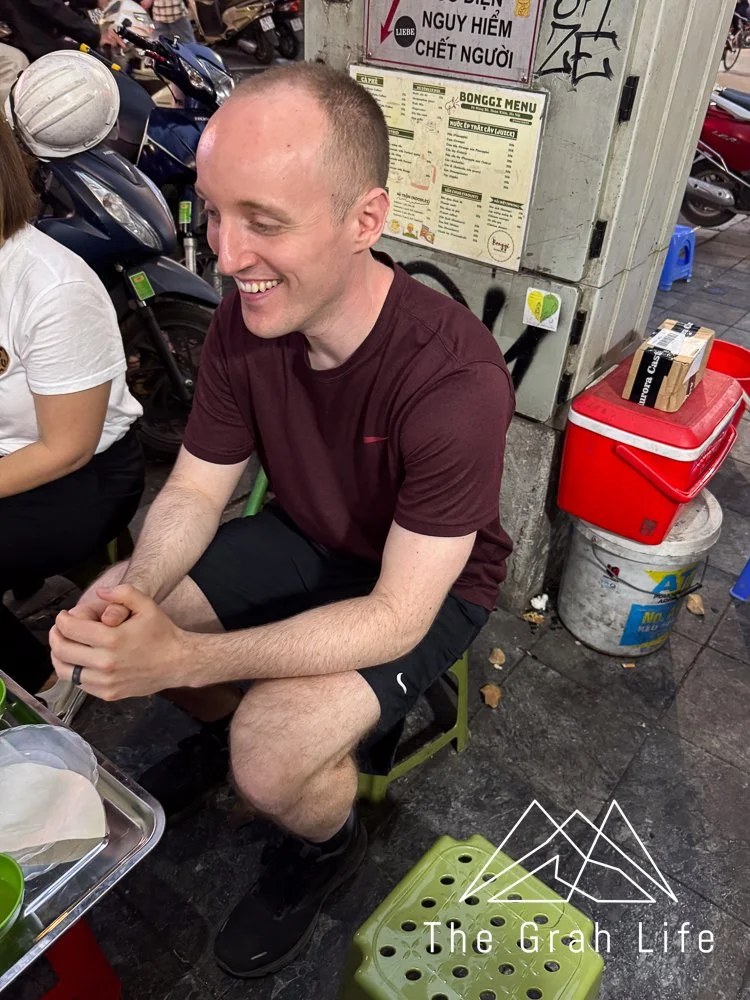
We took a street food tour with Hoan from Airbnb soon after arriving in Hanoi. Hoan easily accommodated our group’s dietary needs – Meghann’s celiac disease, another’s shellfish allergy, and someone’s desire to try duck (a specialty in Hanoi).
Make sure you arrive very hungry because you’ll be well taken care of! You’ll get to try at least six dishes, and this tour gave us the confidence to know what to order and where to eat for the rest of our trip. If you’re not coffee drinkers like us, pass on the morning tour and opt for the dinner option.
Allergies
Meghann has celiac disease and cannot eat gluten, which is in wheat and some soy sauces. Still, eating in Vietnam was a stress-free experience. We found it easy to ask vendors and wait staff if items were made with wheat or rice and always received clear answers.
For other allergies, we’d suggest using Google Translate or bringing an allergy card written in Vietnamese explaining your needs.
If you’re vegetarian, look for signs that say “chay” (vegetarian in Vietnamese). You’ll especially find plenty of options near Buddhist temples.
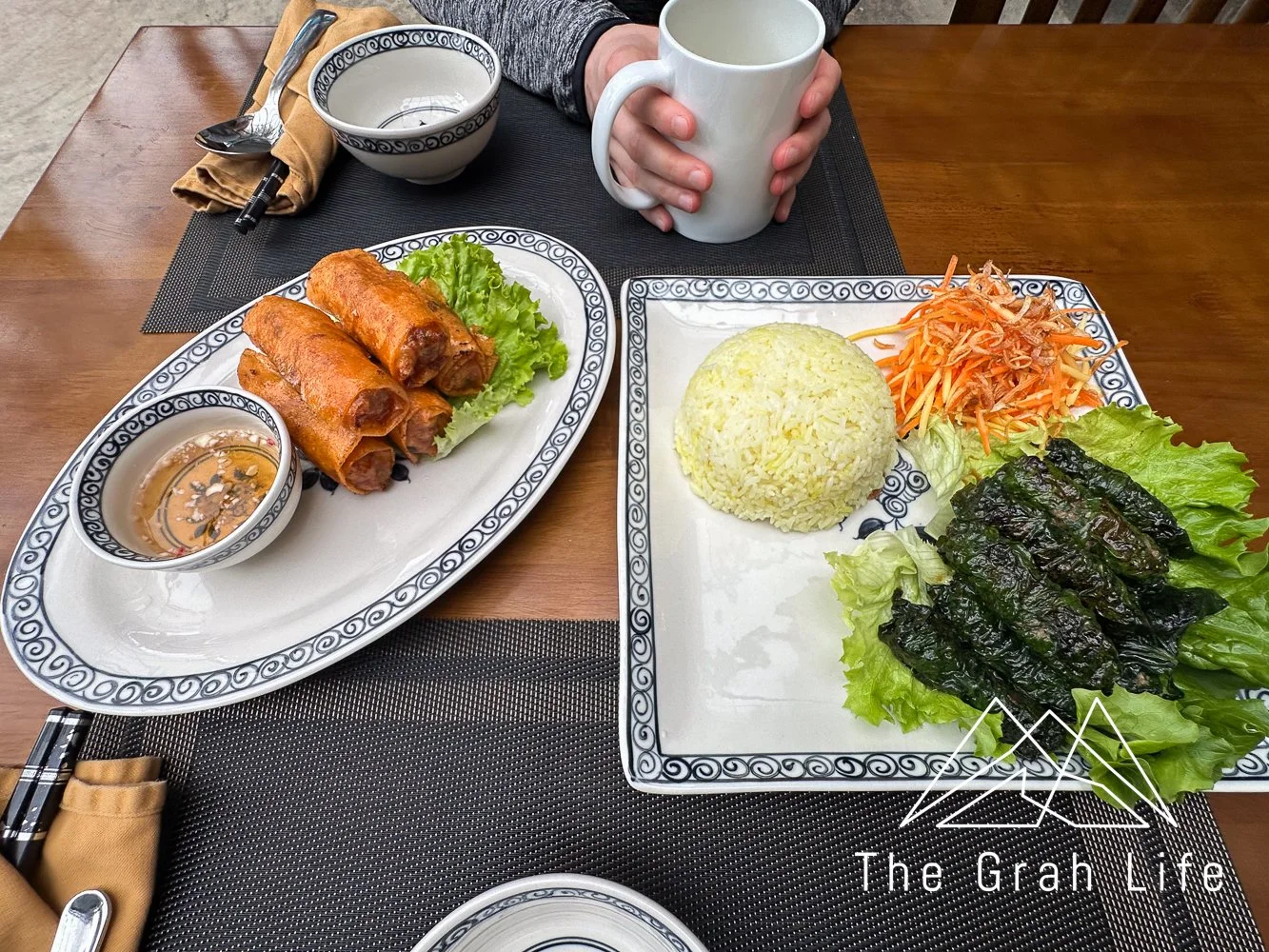
Fried spring rolls and bò lá lốt
Set and family menus
A set menu is a fixed-price meal that includes several dishes for one person. These meals usually come with rice, a protein, vegetable, soup, and sometimes fruit or dessert, all chosen by the restaurant.
These meals are very popular for lunch since they’re quick, filling, and usually more affordable than ordering similar items separately. These set menus are not always listed at restaurants, but they’re worth asking about. We loved getting to try a variety of dishes for a great price!
Family menus are similar, but more common, for dinner with a group. Like the set menu, you’ll find pre-selected meal packages with similar dishes to the set menu, with larger portions for sharing.
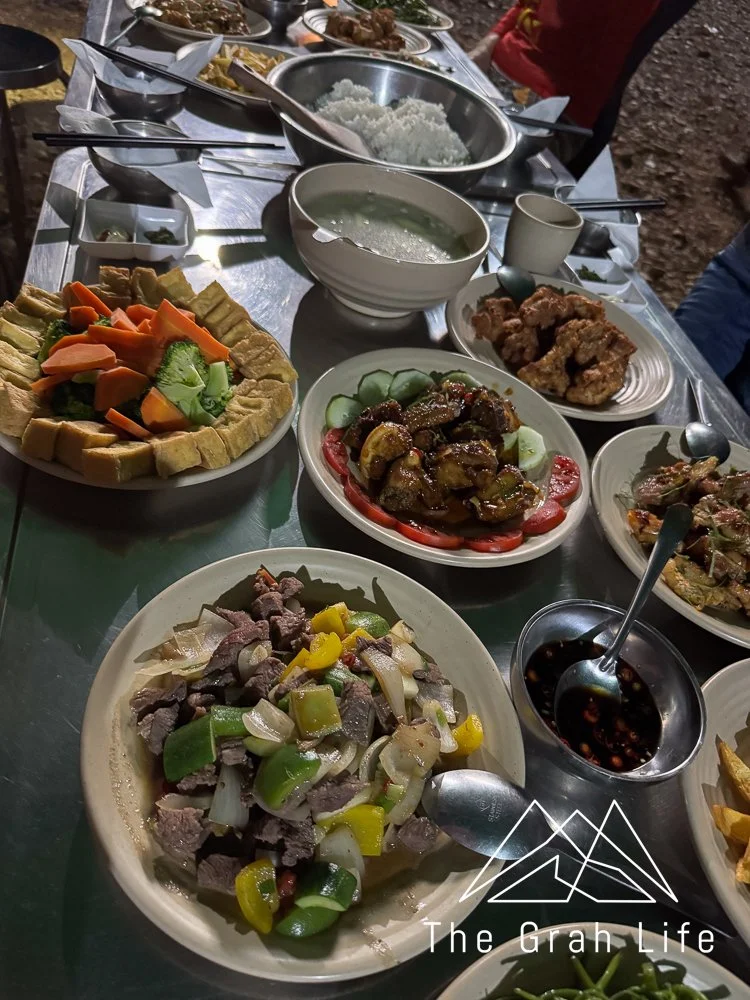
Family style meal in Son Doong
Dishes
These are a sampling of items we tried and loved in Vietnam, although we never disliked anything we tried. We’ve marked which items are usually gluten free, but if you have celiac or any allergies, always ask about ingredients.
Below, you’ll find dishes listed from most well known to least.
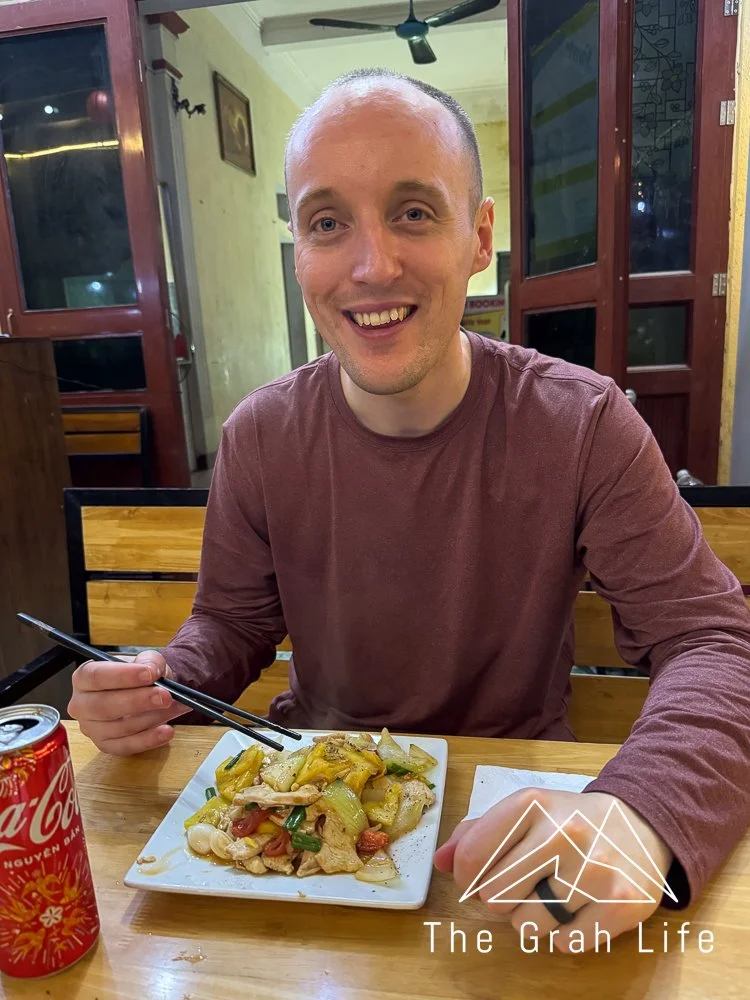
Meals
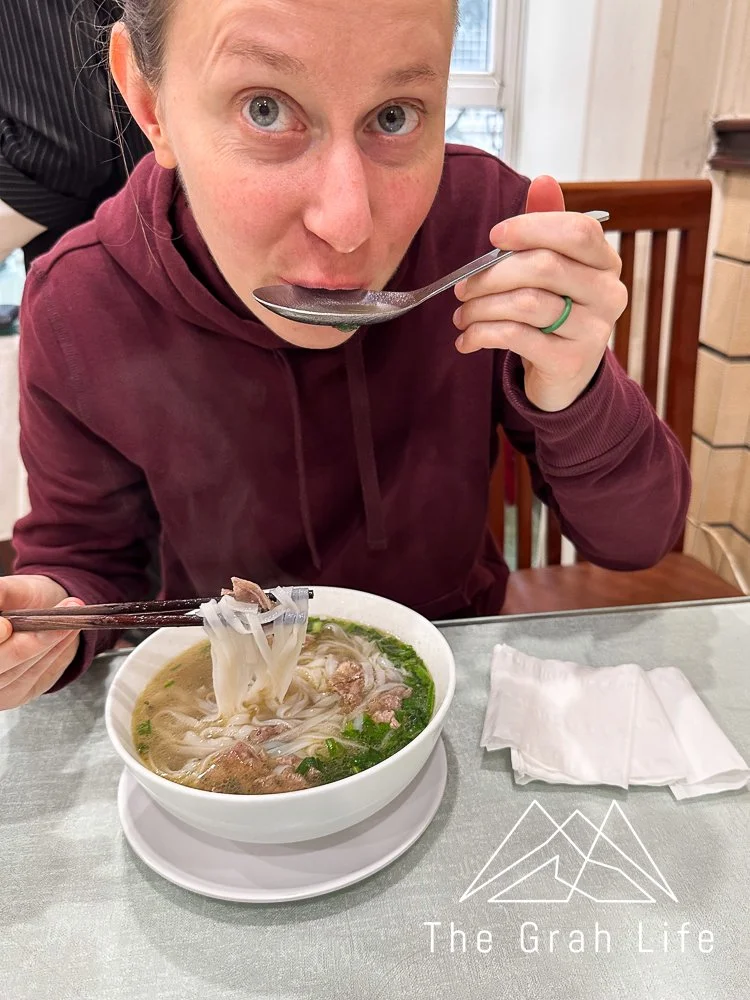
Pho (gluten free)
Vietnamese meals aren’t limited by time of day like in the U.S. and any dish can be eaten for breakfast. Pho was one of our favorite morning meals.
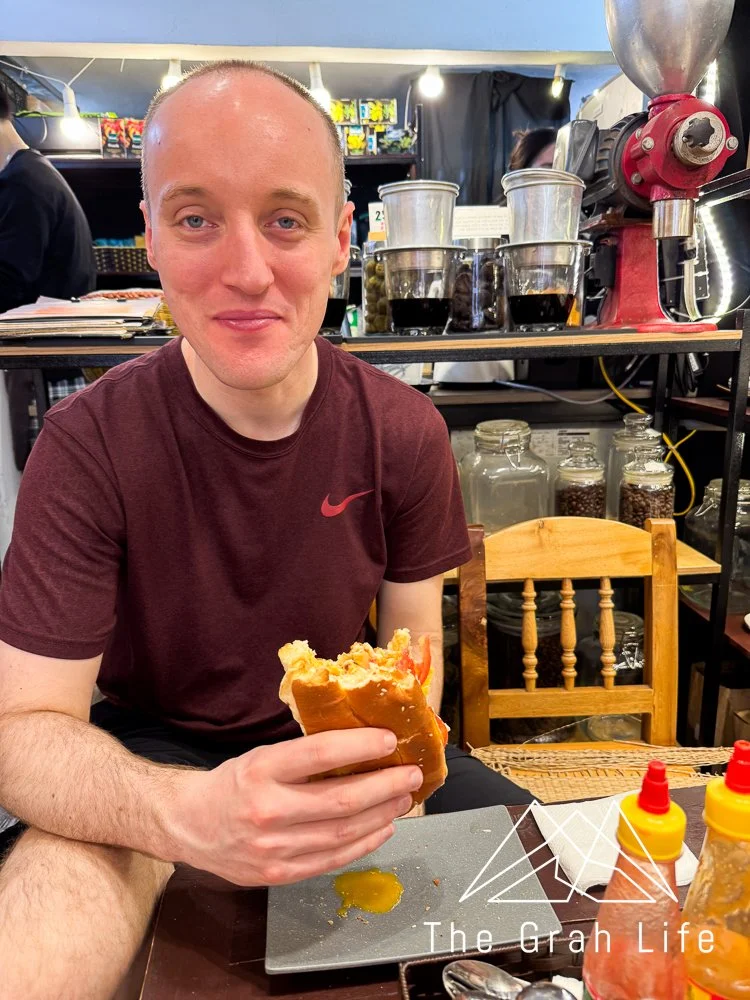
Bánh Mì
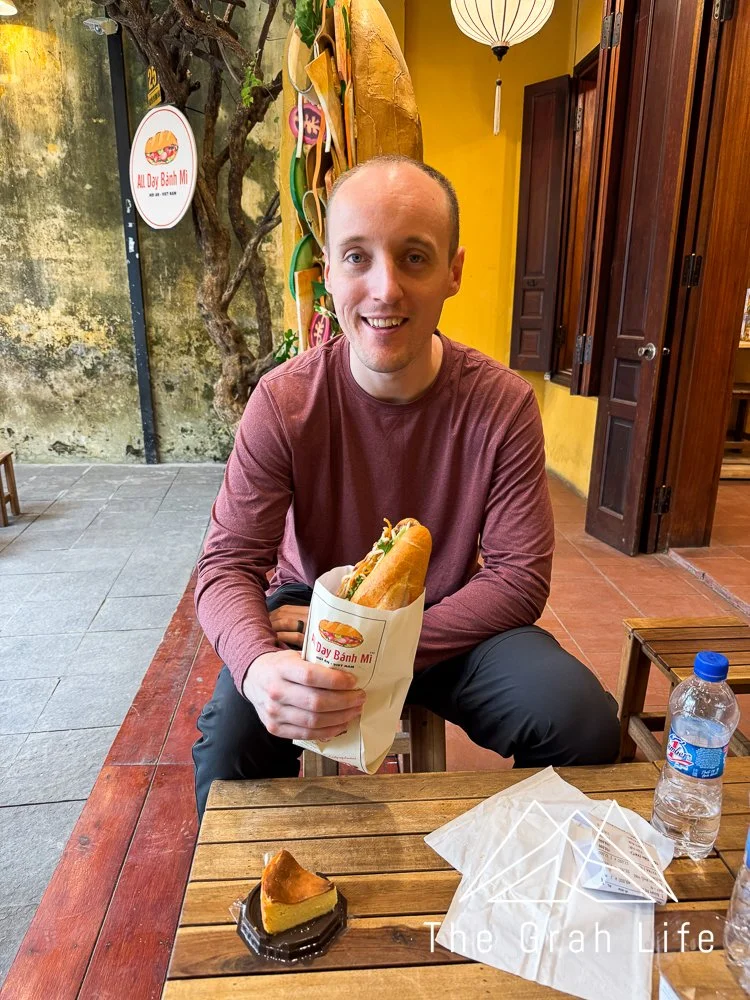
Bánh mì is a crispy, French-style baguette filled with savory meats, fresh herbs, and pickled vegetables. It’s quick, great for any meal or snack, and Zach loved the bread it came on.
Spring rolls (gluten free)
You’ll see fresh and fried spring roll options. We particularly love the ones with shrimp and pork.
Egg rolls
Egg rolls are made with a flour dough and contain savory fillings.
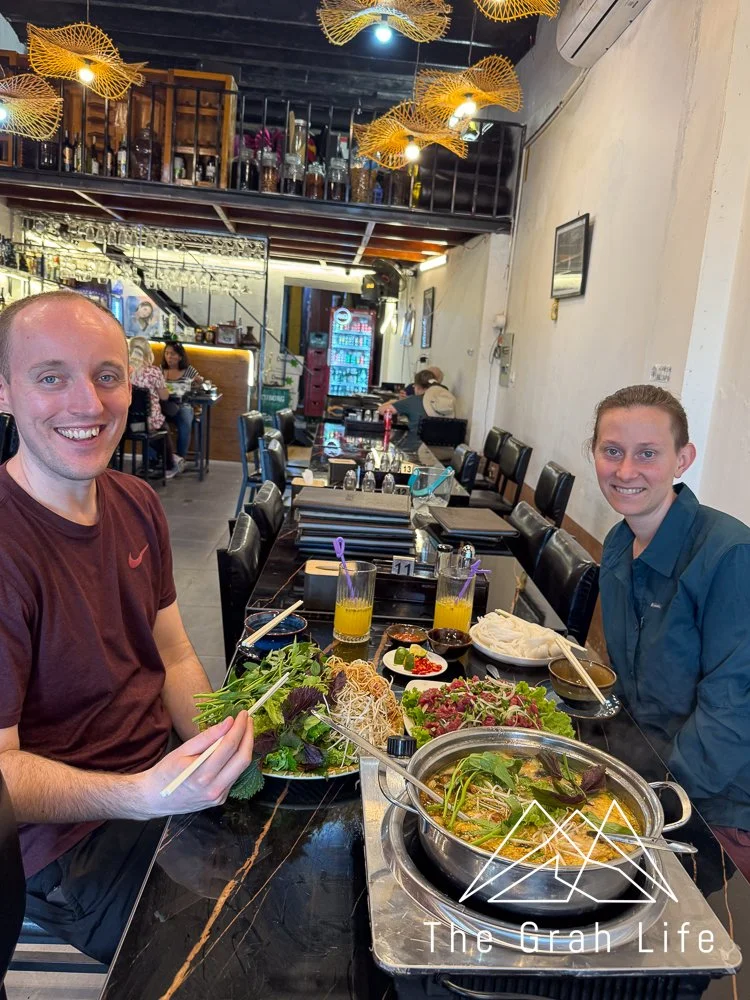
Hot pot (gluten free)
Hot pot is a communal dining experience where everyone in your group cooks various raw ingredients in a flavorful broth. This is a longer, more experiential meal.
Bún Chả (gluten free)
This is the dish made famous by Obama and features grilled pork and noodles.
Vermicelli
You’ll find vermicelli noodles (sometimes gluten free) served with meat, vegetables, and salad throughout Vietnam. This is always a tasty, filling choice.
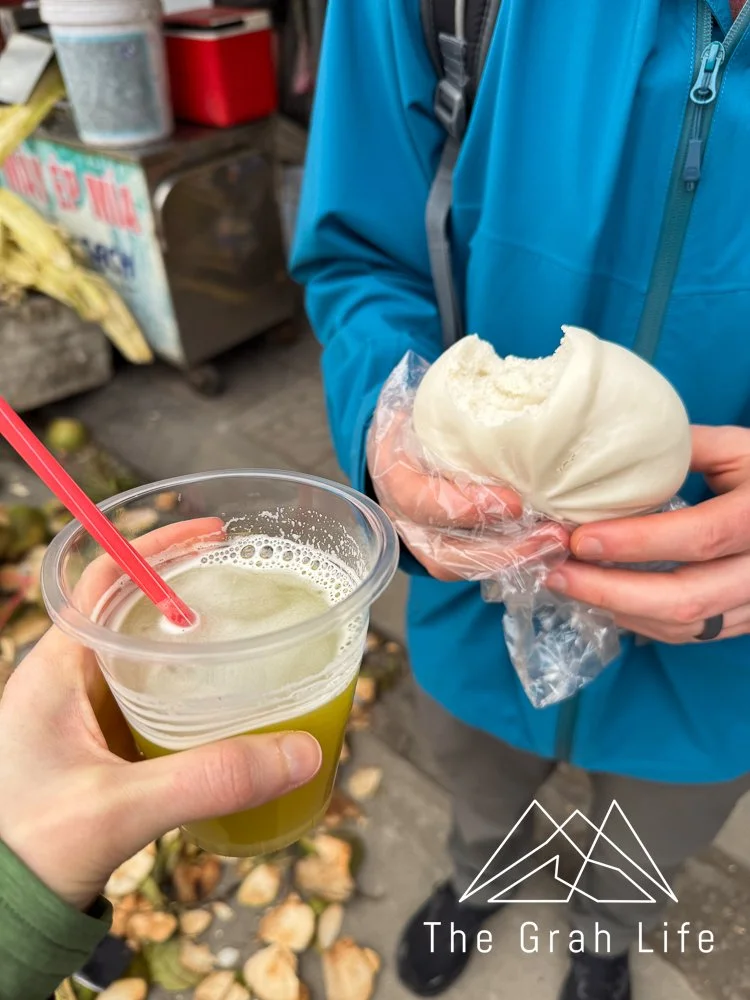
Bao buns
You’ll find bao buns from street vendors. They’ll either be shown in glass warming cabinets or steamer baskets.
Cơm Gà (gluten free)
This is a classic chicken and rice dish and is especially common in Hoi An.
Fried rice (gluten free)
This is always a reliable go-to option at any restaurant. It’s savory and full of protein and vegetables.
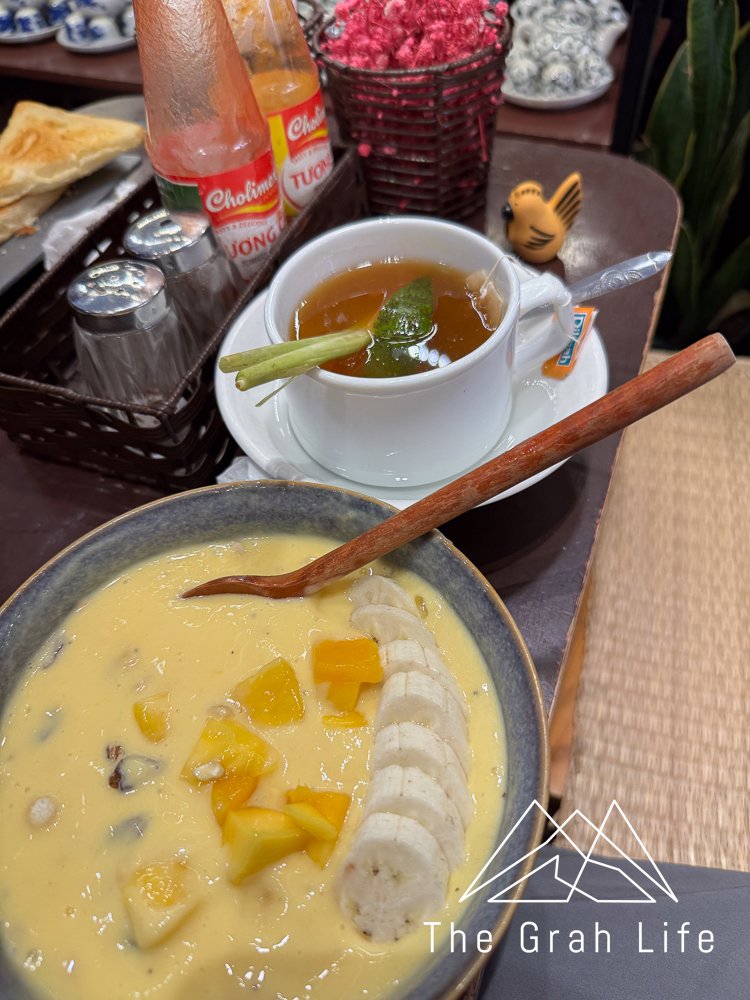
Smoothie bowls (gluten free)
Meghann loved these for a sweeter breakfast. You’ll choose a fruit base and add toppings like fruit, nuts, quinoa, or granola. You’ll find them at cafes nationwide, but our favorite was at the Veg Restaurant in Hanoi.
Báhn xéo, also known as crispy pancake (gluten free)
This was Meghann’s favorite dish! It tastes like a slightly thicker, savory crepe, and sometimes it’s served with rice paper to wrap it up in.

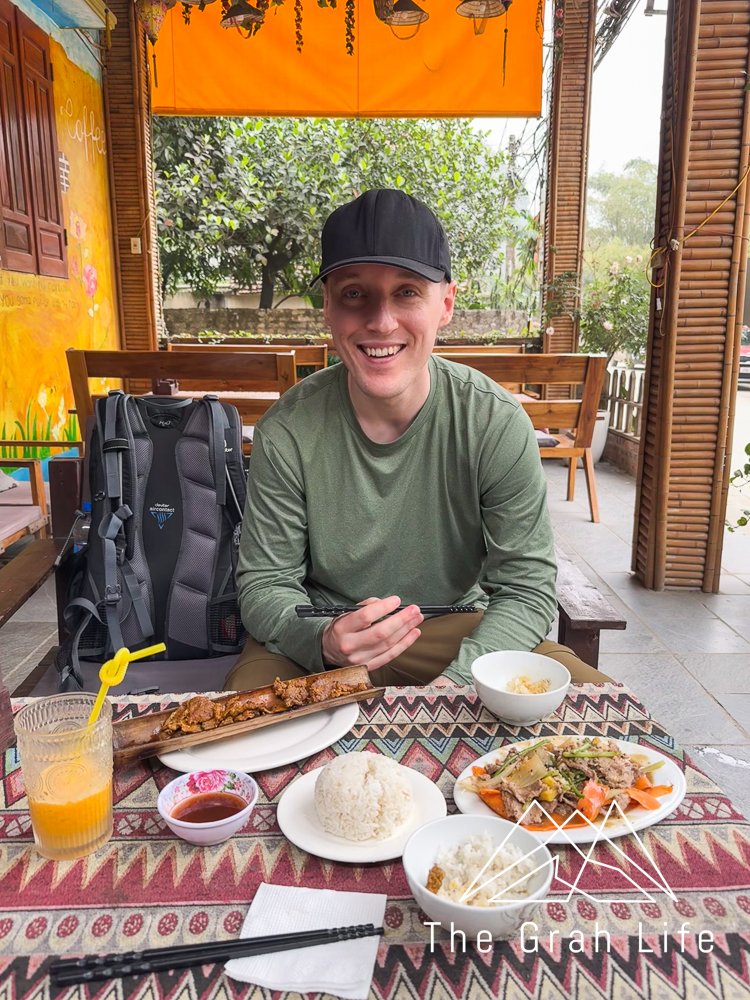
Goat (gluten free)
Ninh Bình is famous for its goat dishes. We tried a specialty where marinated goat meat is slow-cooked inside a bamboo tube at the Garden Bar-Restaurant.
Clay pots (gluten free)
Clay pot dishes are slow-cooked dishes with ingredients like fish or pork and vegetables. The cooking method makes them especially tasty.
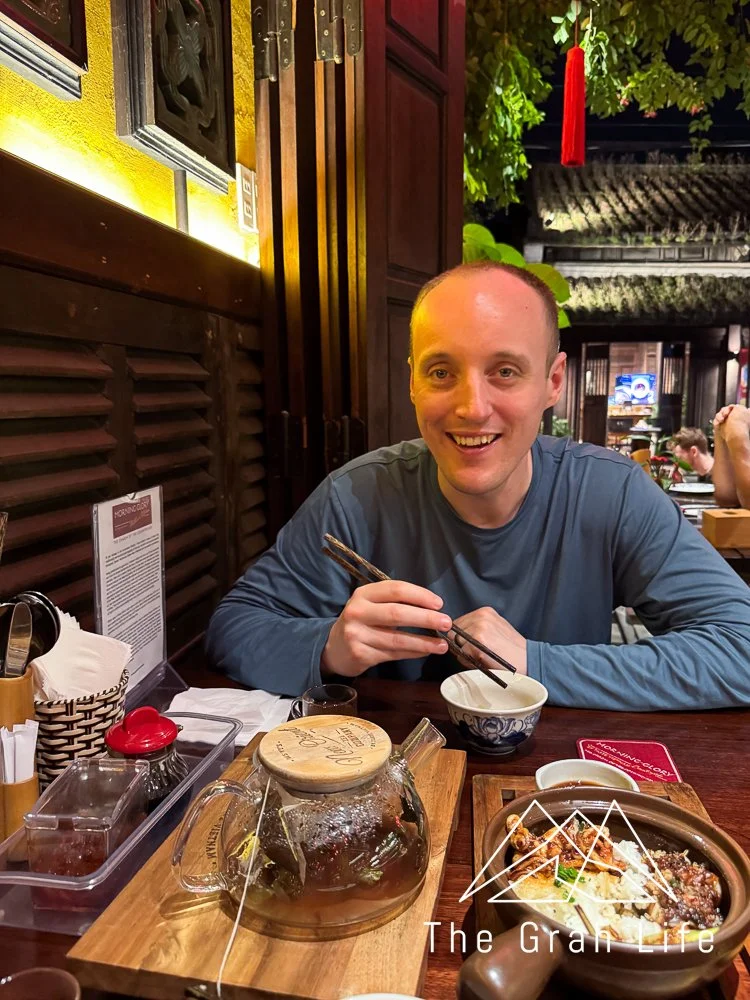
Clay pot with stuffed squid (described below)
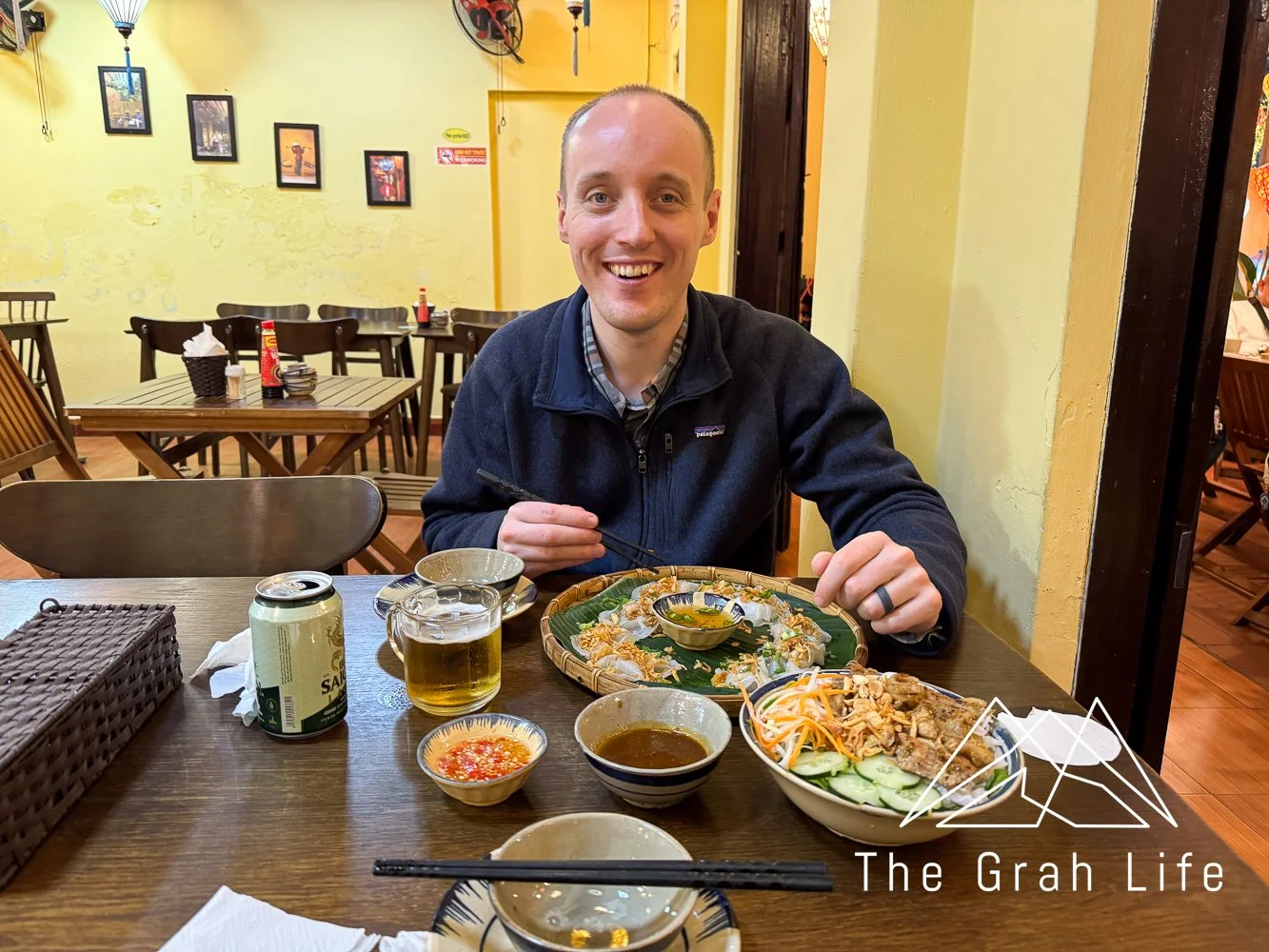
Rose dumplings (gluten free)
Found in southern Vietnam, these small dumplings are made with rice flour and typically filled with shrimp, pork, or mushrooms. Meghann ate these daily during our stay in Hoi An!
Dragon egg pancakes (gluten free)
These are made with the same batter báhn xéo uses. They’re thicker pancakes cooked in round molds and topped with ingredients like squid and herbs.
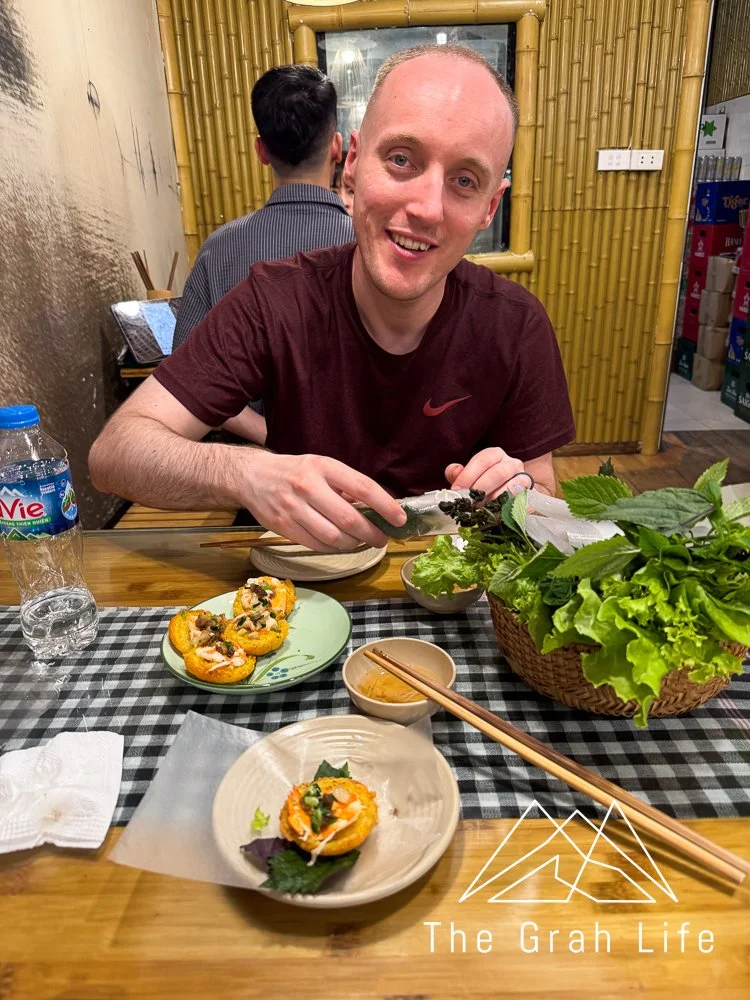
Dragon eggs
Bánh cuốn nhân (gluten free)
Bánh cuốn nhân are steamed rice rolls filled with chicken, pork, and shrimp. It’s more common in northern and central Vietnam with street vendors and casual restaurants.
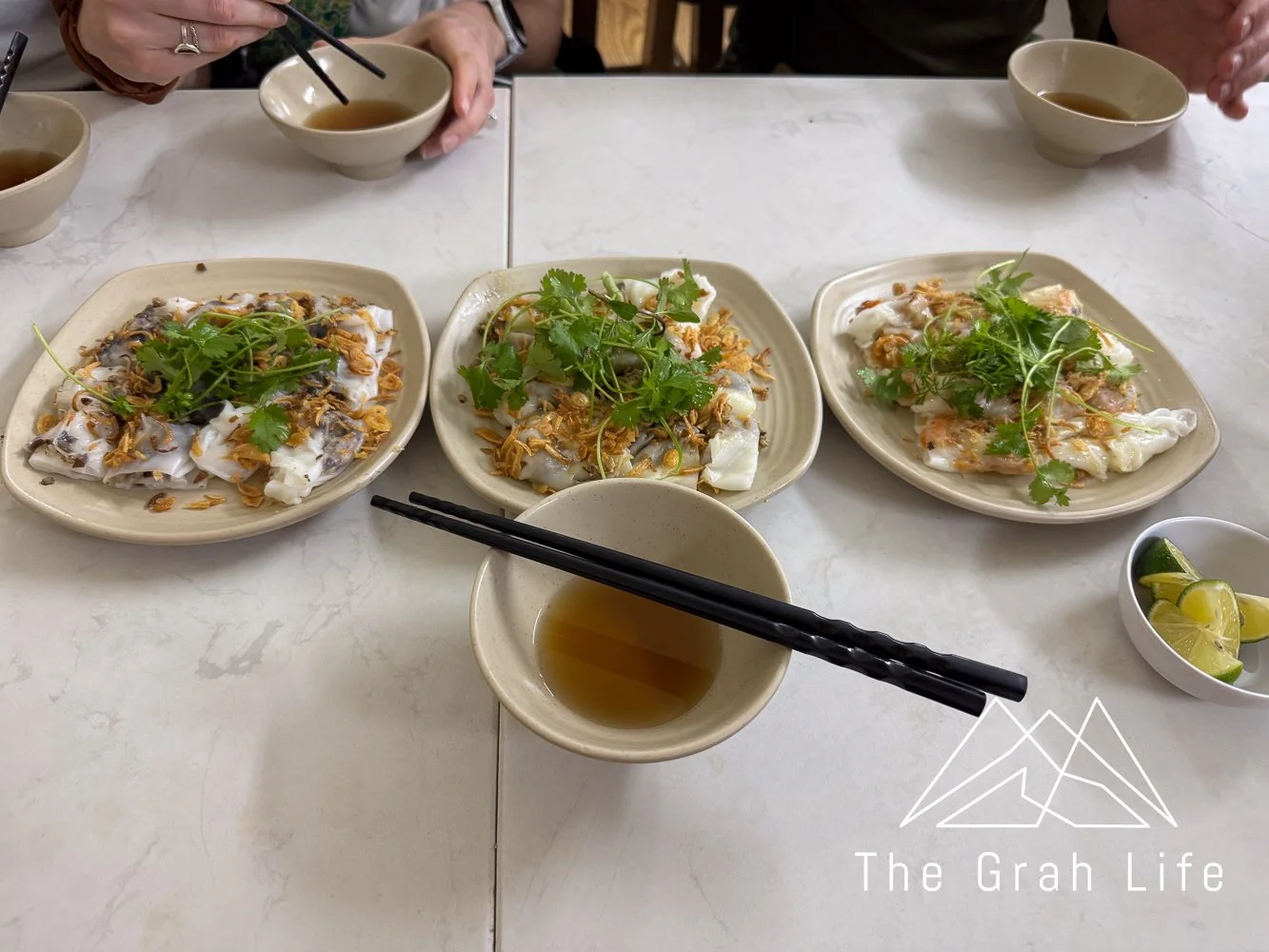
Chả cá
We tried this grilled fish on our food tour and from then on Zach ordered it any time he saw it on the menu. It can be gluten free, but was not always.
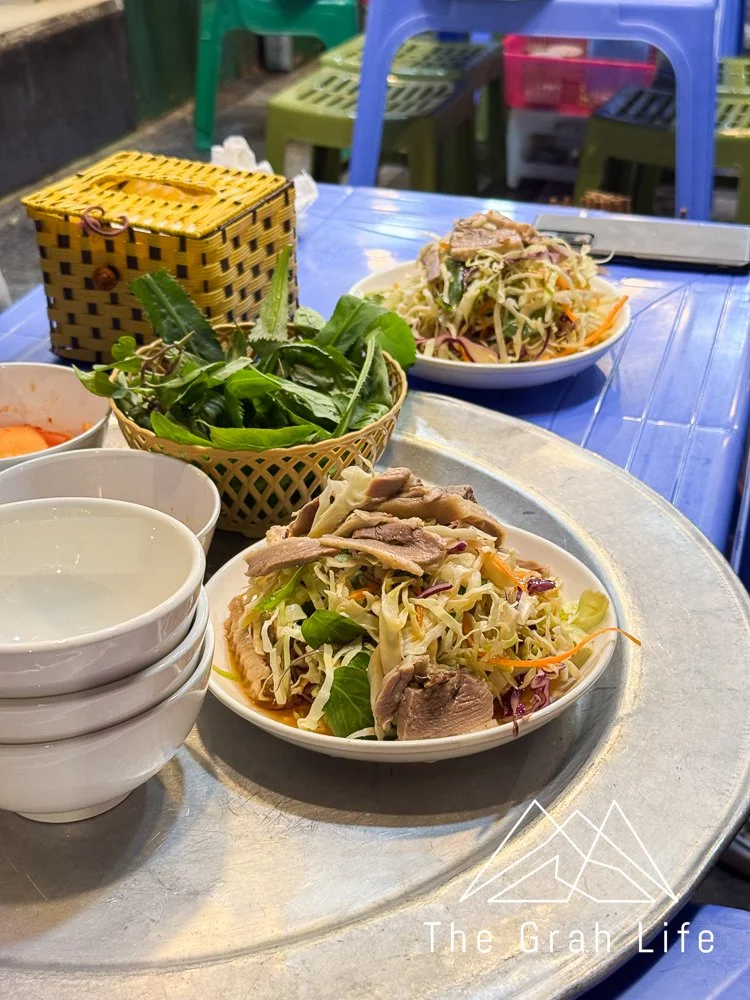
Gỏi vịt (gluten free)
This is a salad made with shredded duck meat, thinly sliced cabbage, fresh herbs, topped with crunchy nuts or fried shallots, with a delicious dressing.
Stuffed squid (gluten free)
We splurged on a fancy meal at Morning Glory in Hoi An on our last night in town and this was the best squid we’ve eaten.
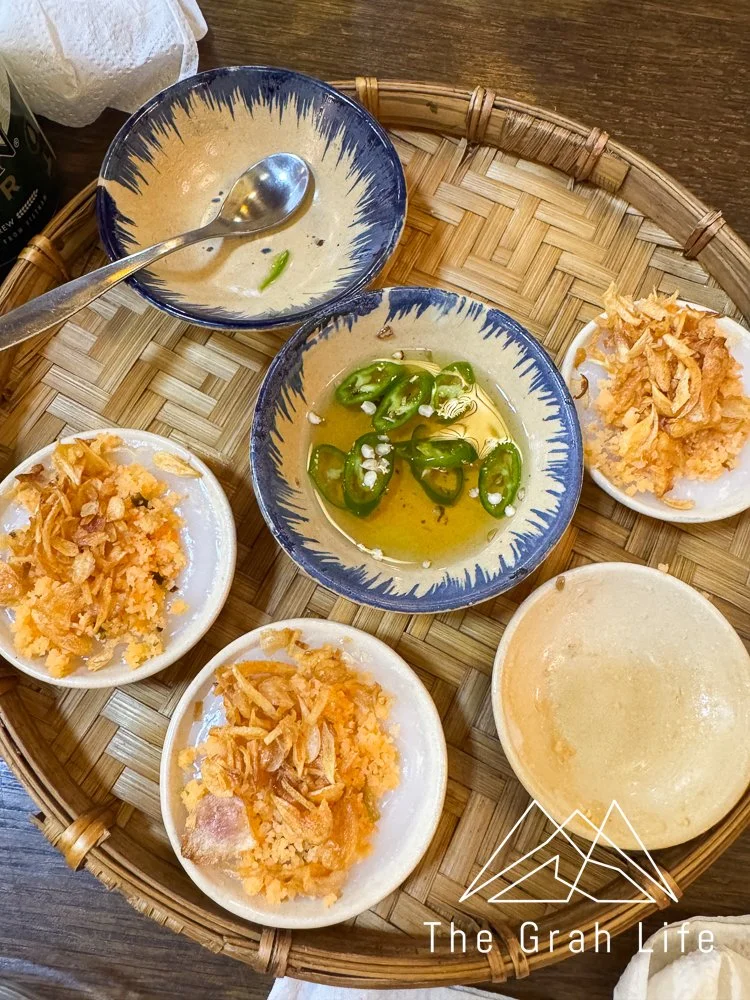
Bành beo (gluten free)
These are steamed rice cakes topped with minced shrimp, pork and crispy shallots.
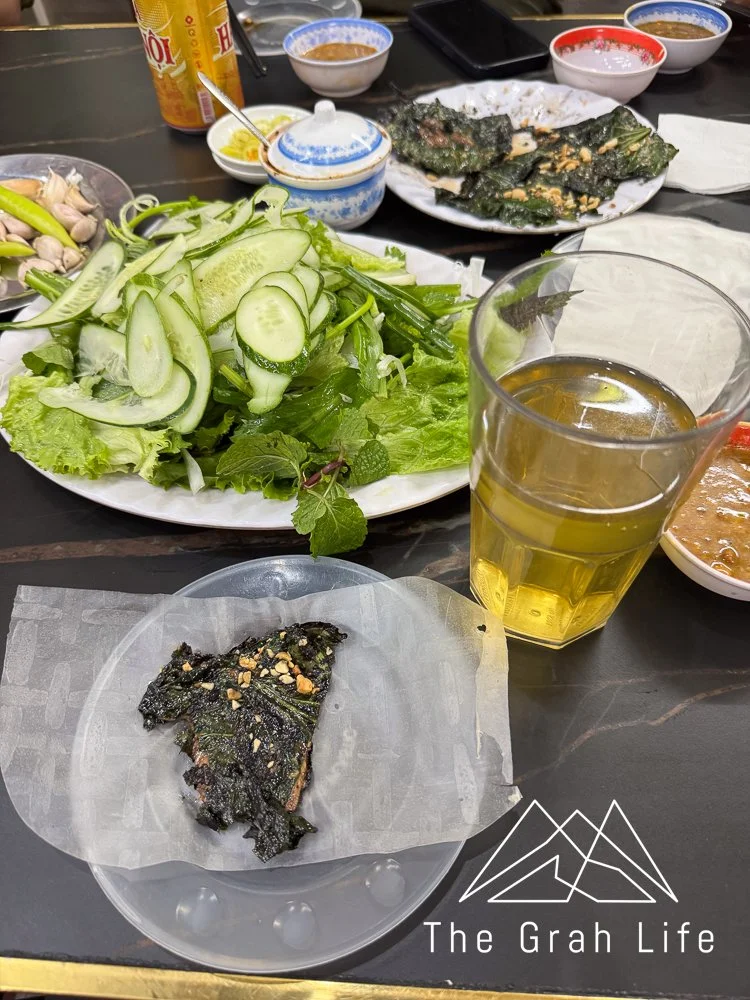
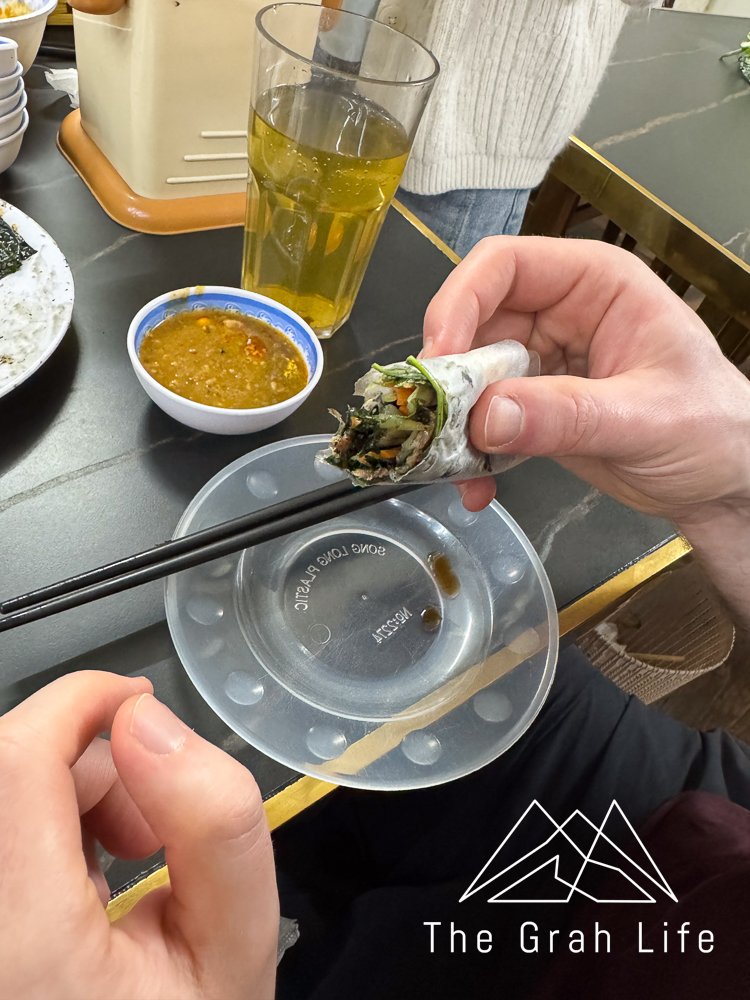
Bò lá lốt (gluten free)
We were so thankful to have tried this on our food tour – it was one of our favorite dishes in Vietnam! It’s seasoned grilled beef or pork, wrapped in lá lốt leaves and grilled. Sometimes you’re given rice paper to wrap it in as well.
Desserts
Pastries
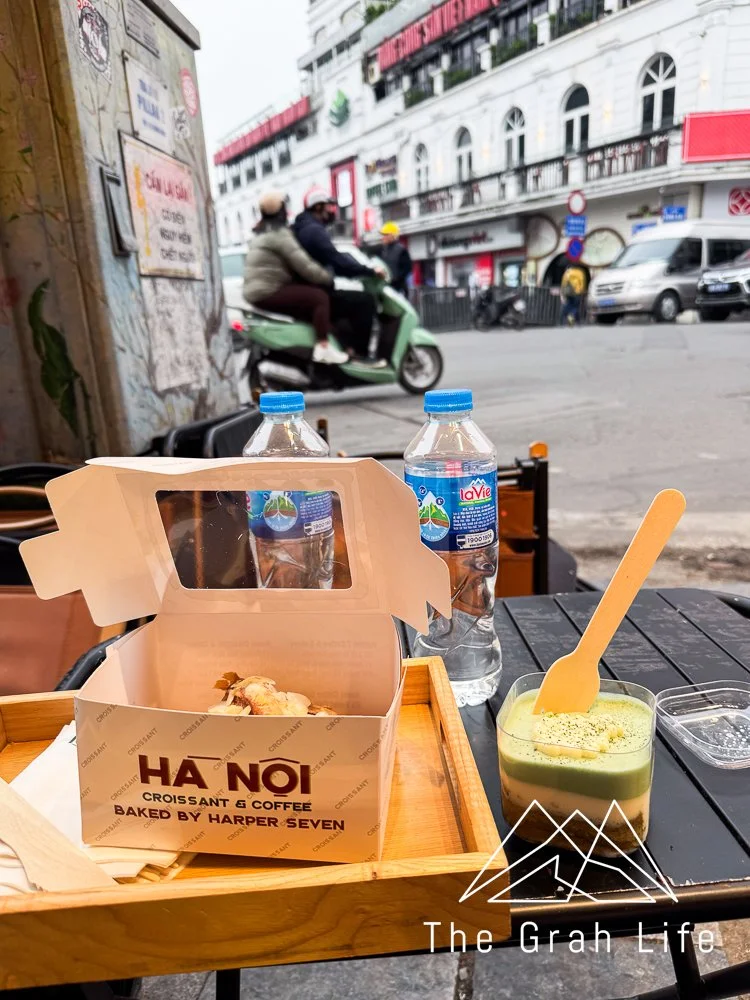
French colonial influence left a lasting mark on Vietnamese pastries. You’ll find cafes serving fresh croissants and other treats often flavored with local ingredients like mung bean or coconut. After Zach’s first pastry one morning for breakfast, he sought them out!
Ice cream (gluten free)
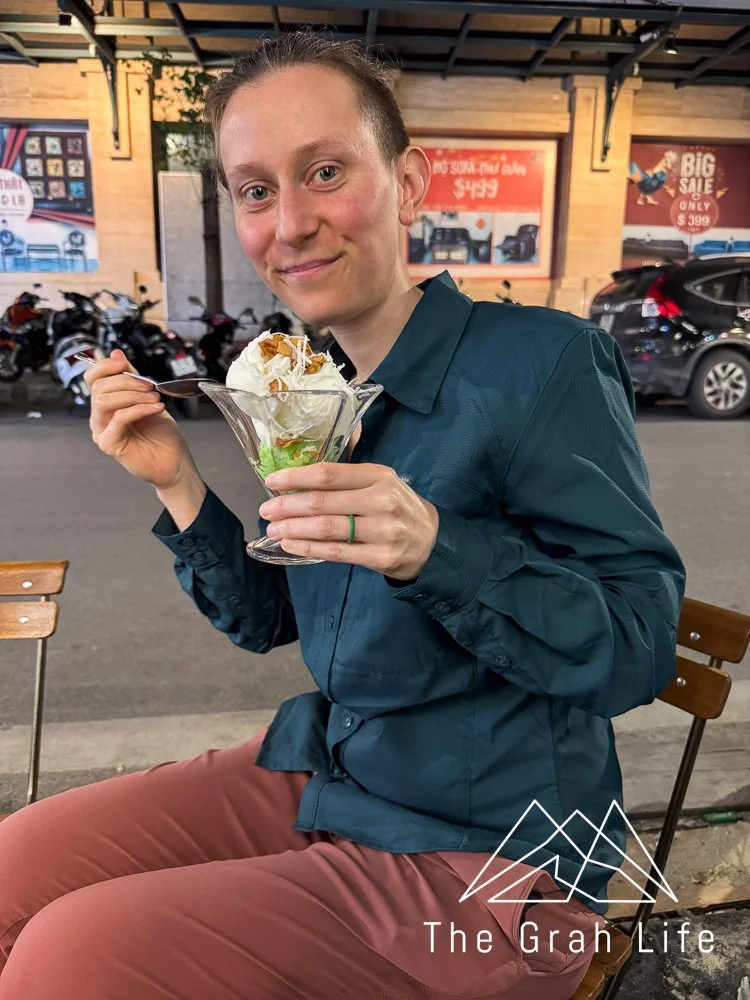
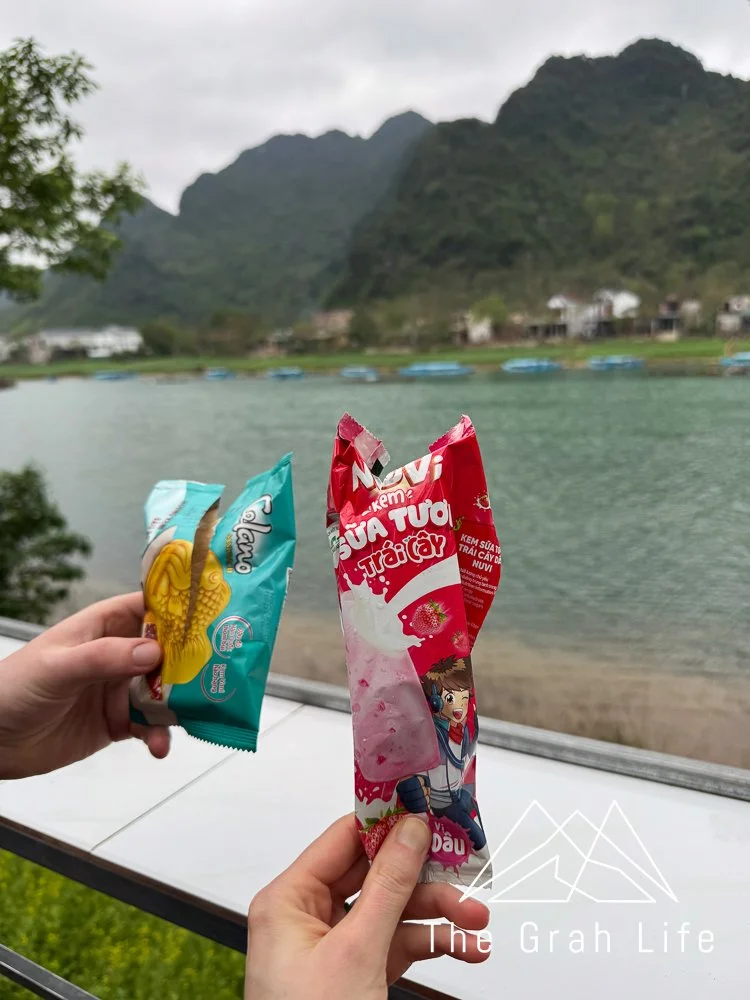
Ice cream is Meghann’s favorite treat, so we bought it from freezer chests on the streets of Phong Nha, gelato from a cafe overlooking Hoàn Kiếm Lake in Hanoi, and coconut ice cream from Báhn Mì Tam in Hanoi.
Coconut ice cream
Crepes (gluten free)
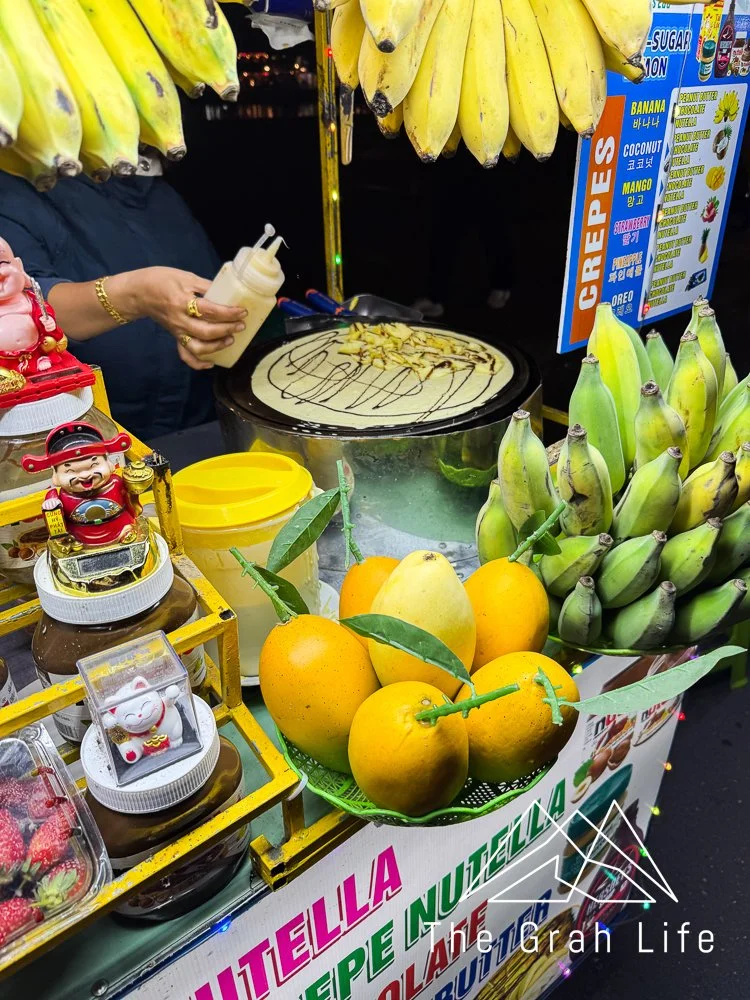
Made with rice flour, you’ll find street vendors at Hoi An’s night market selling crepes and pancakes with fruit toppings.
Cheesecake (gluten free)
We found a great cheesecake at All Day Bánh Mì in Hoi An.
Cloud cake
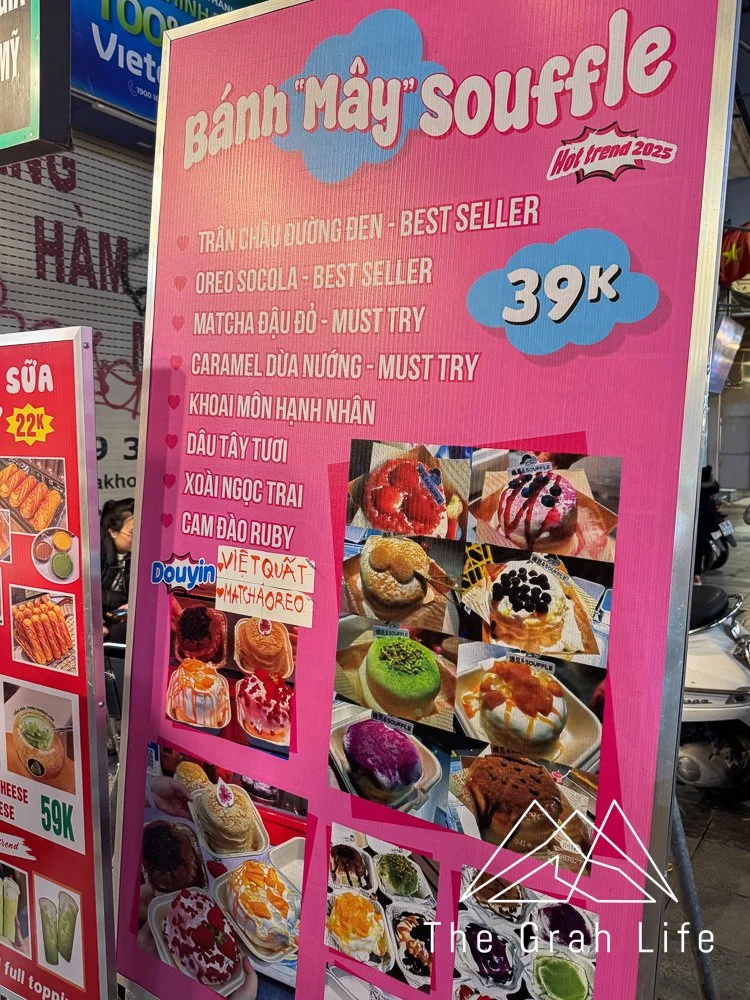
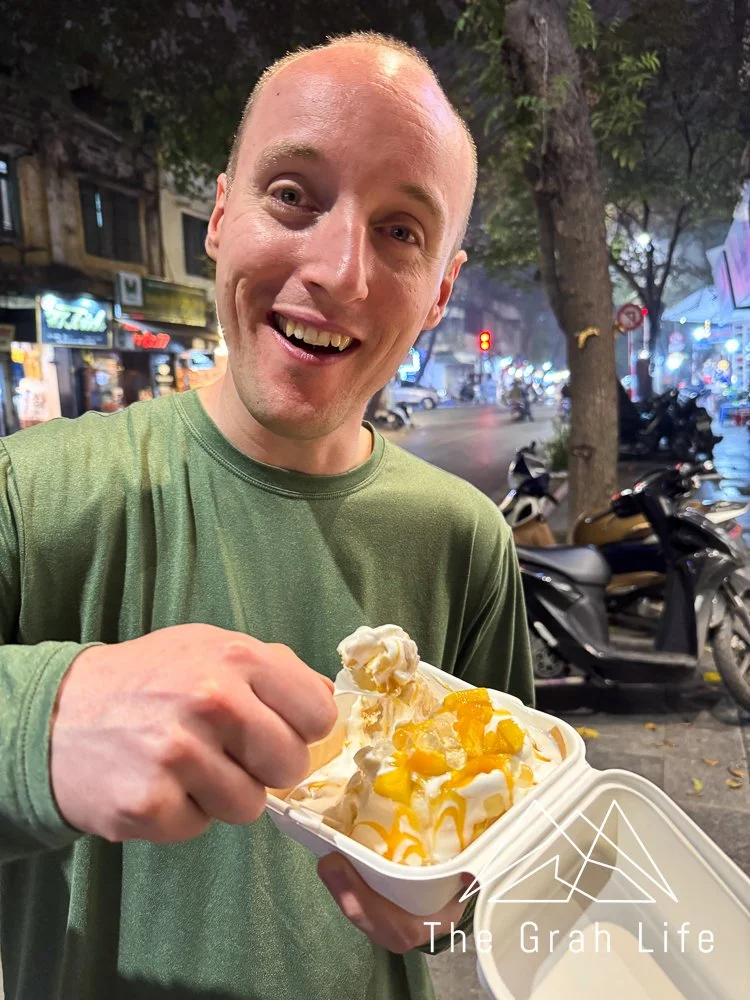
We discovered a street vendor selling cloud cakes one evening in Hanoi. It’s similar to sponge cake and comes in a variety of flavors.
Chuối nếp nướng (gluten free)
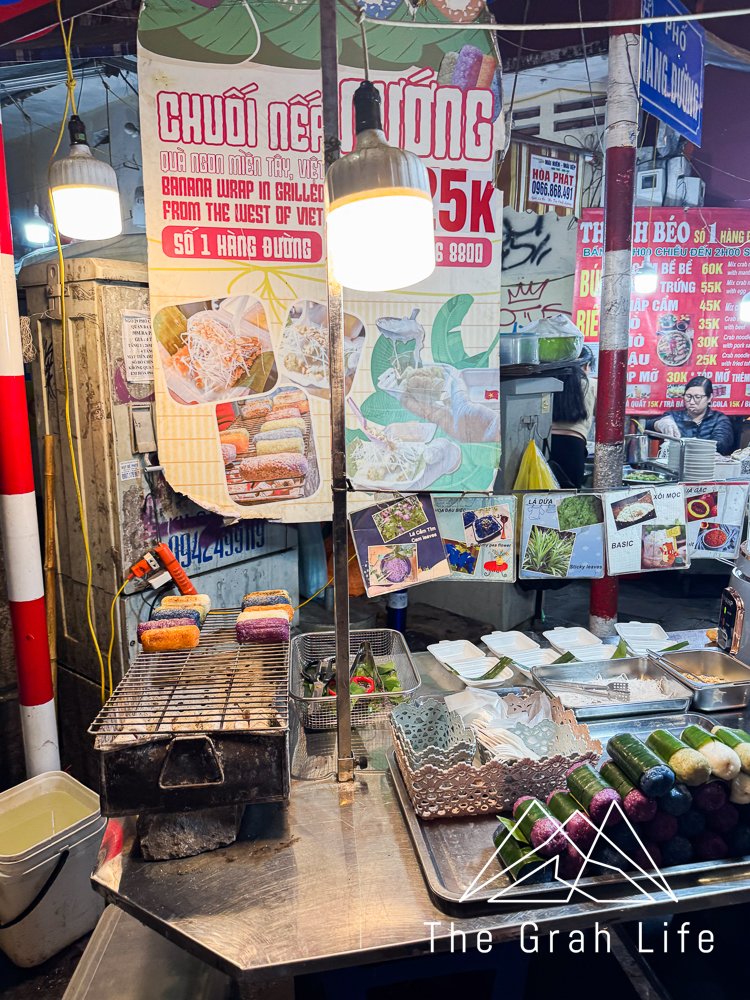
This is sticky rice marinated with coconut milk. It comes in a variety of mild flavors, and is often colorful.
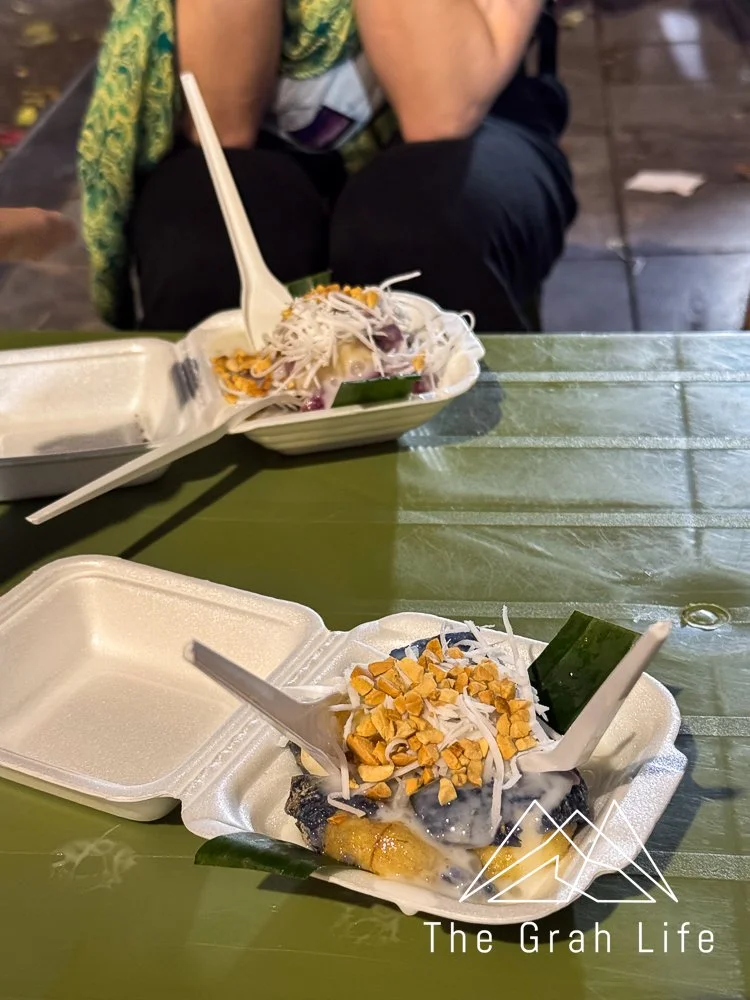
Chè (gluten free)
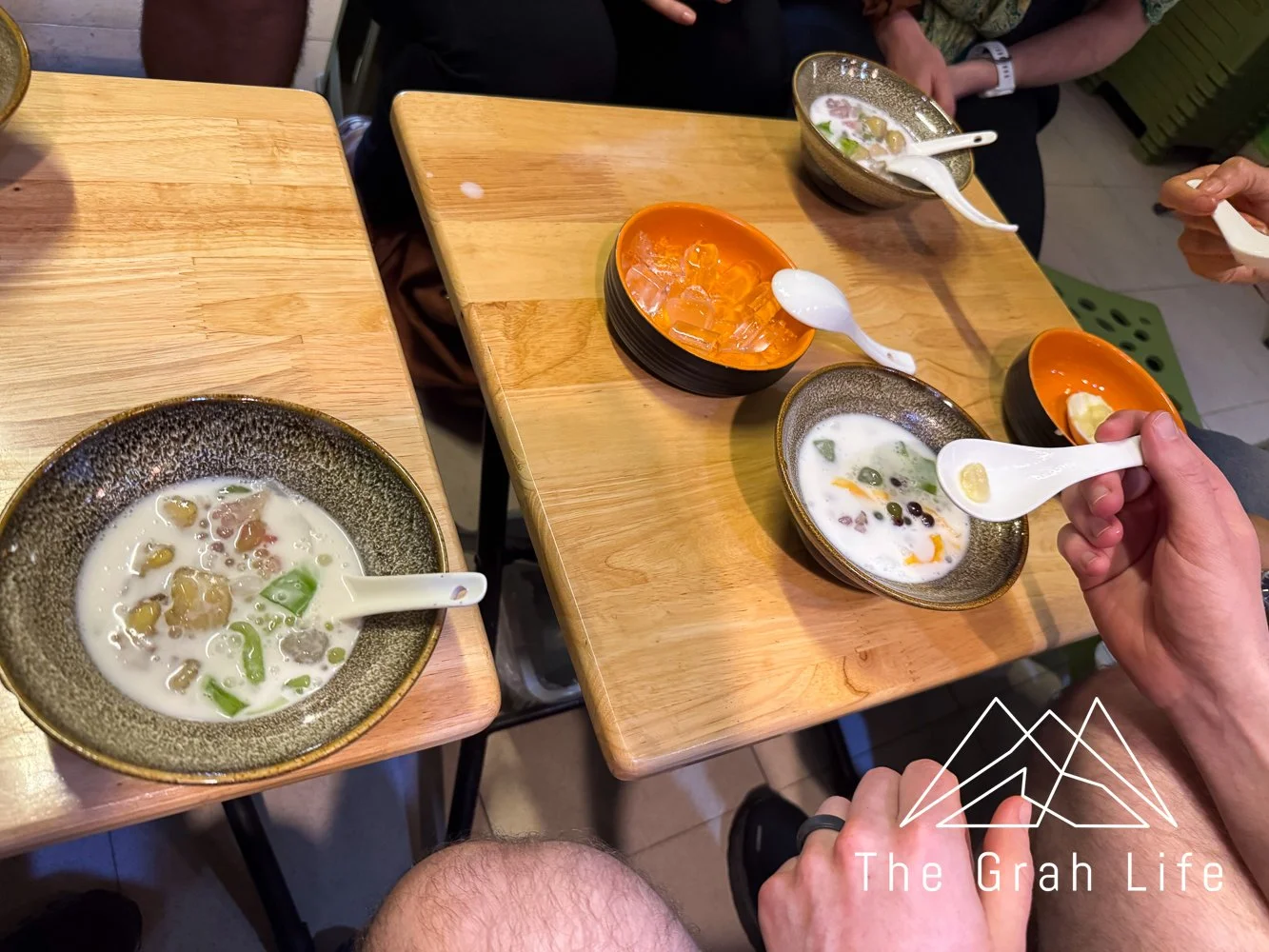
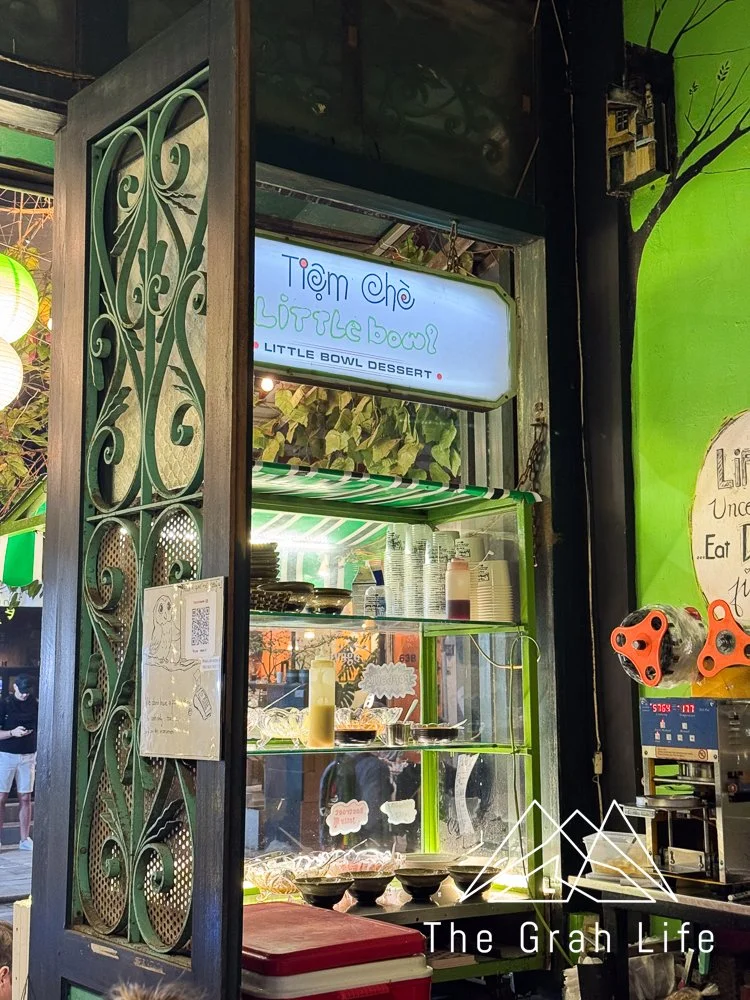
We tried the sweet banana bowl on our food tour at Little Bowl. It’s similar to ice cream and topped with tapioca. Order a side of durian paste if you’d like a mild introduction to the fruit – no one on our food tour could agree on what it tasted like!
Drinks
Coffee
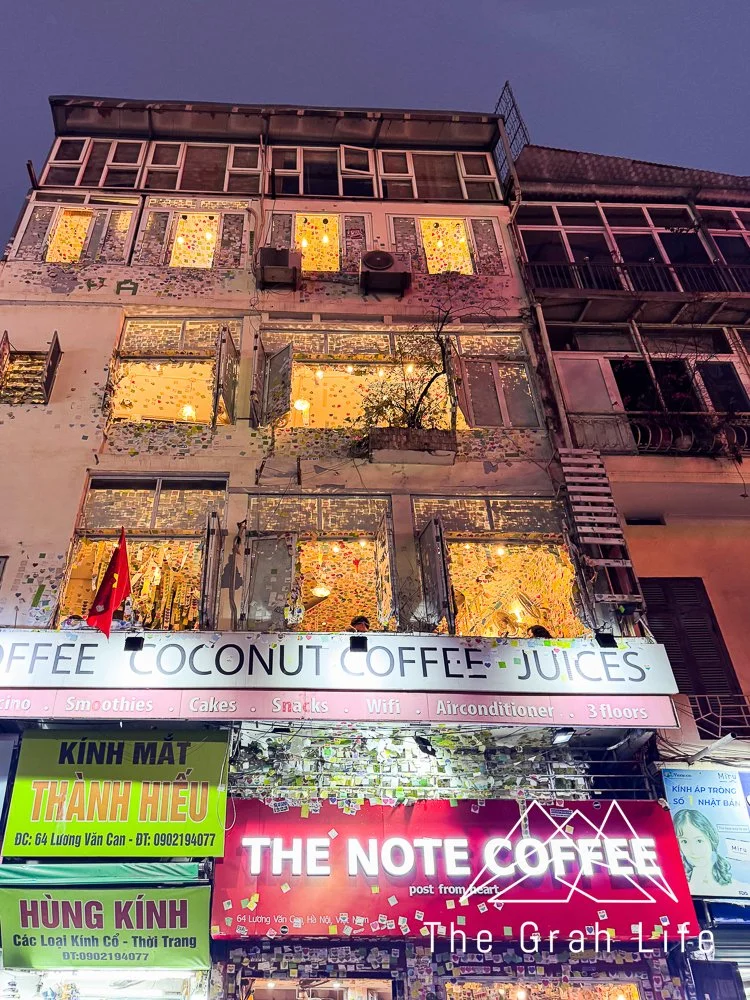
Although we aren’t coffee drinkers, Vietnam is famous for their coffee culture. Be sure to try unique varieties like egg coffee, salt coffee, and coconut coffee.
Coconut
Coconut water is a refreshing treat, especially in hot weather. Street vendors and cafes sell whole coconuts with the top chopped off so you can drink straight from the shell. You can also eat the coconut meat inside the shell when you’re done.
Tea
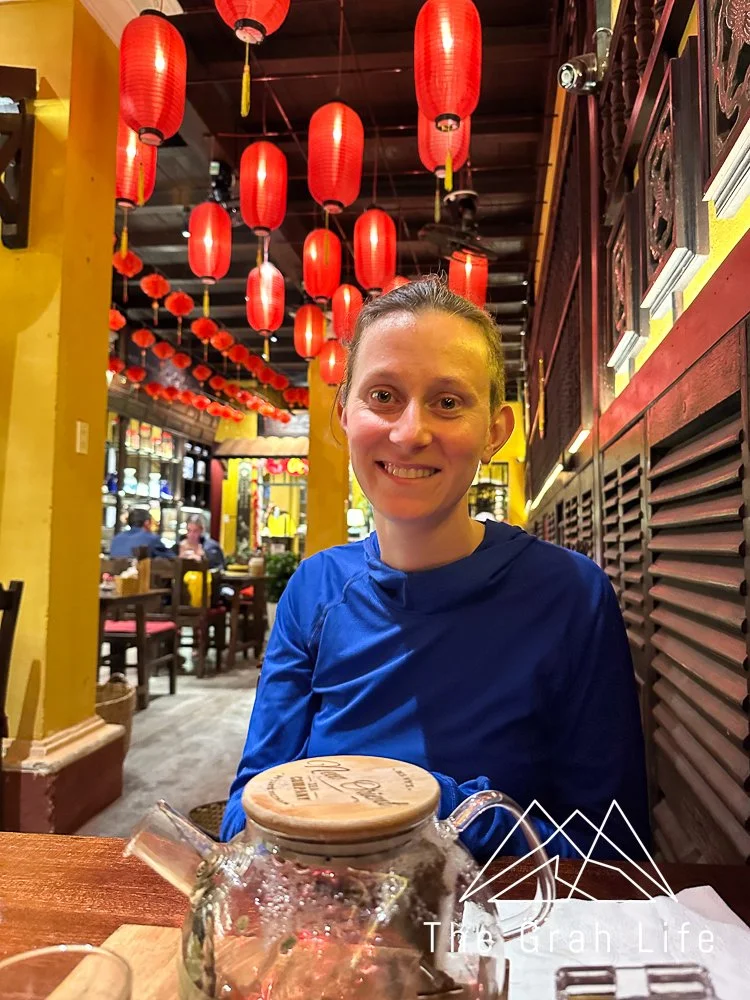
If you’re not a tea lover before your trip, you likely will be afterward. We enjoyed ginger and fruit teas every morning. Ordering a pot of tea for the table is generally the most economical way to enjoy it.
Juice
Fresh fruit juices are everywhere in Vietnam. Our favorites were passionfruit and passion orange guava.
Regional beers
Try the local and regional beers like Saigon or Hanoi Beer.
Sugar cane juice
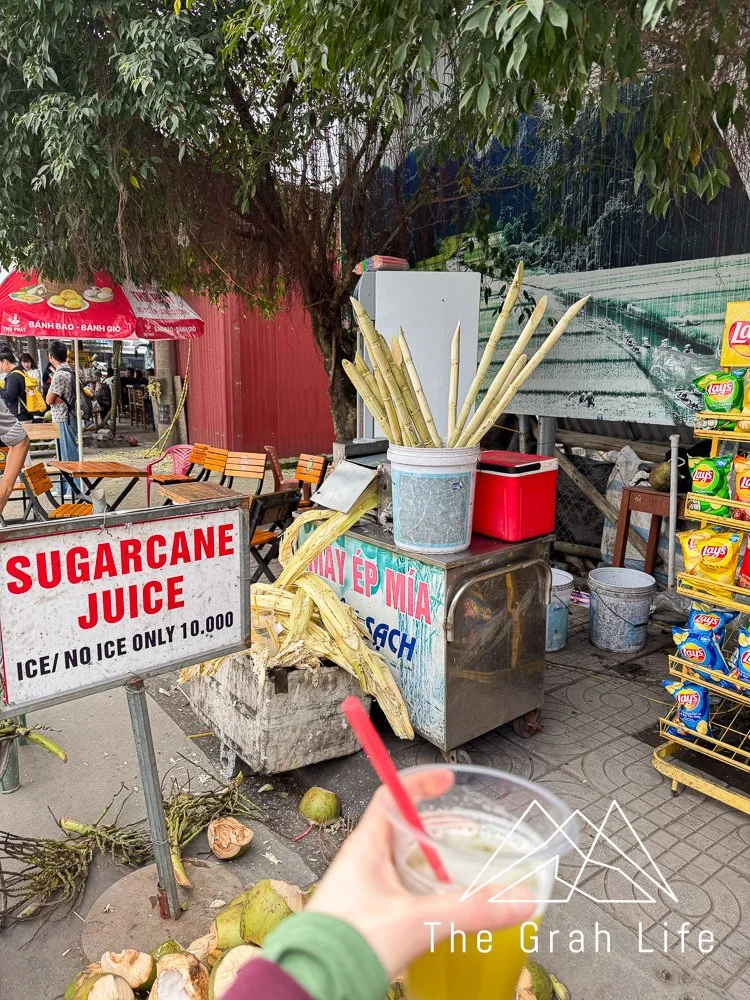
This sweet drink is sold by street vendors. Look for large sugar cane stalks on display or machines crushing the cane fresh for your glass.



Search the blog for more adventures! Try searching for topics such as “backpacking”, “waterfalls”, or “national parks”.